Bone & Joint Health Support

About Bone & Joint Health Support Service

Bone & Joint Health Support

Bone & Joint Health Support in Pune & Maharashtra for for Everyday Mobility

Healthy bones and joints help us walk, climb stairs, work, exercise and participate in everyday activities. As we grow older, our bodies change, but bone and joint health also depends on factors such as nutrition, physical activity, genetics, previous injuries and certain medical conditions.

At Shri Samarth Wellness & Fitness Centre, our Bone & Joint Health Support service page focuses on general nutrition awareness, healthy lifestyle habits and practical ways to support mobility and overall wellness.

Whether you are looking for bone health and joint wellness information in Pune, Kolhapur, Sangli, Satara or other intended service areas across Maharashtra and Goa, understanding the relationship between nutrition, movement and everyday habits can help you make more informed choices.

Bone and joint concerns are not all the same. Occasional stiffness, age-related changes, an injury and a diagnosed condition such as arthritis may require different approaches. Nutrition and lifestyle habits can support general health, but they cannot replace appropriate medical assessment or treatment.

Important: This page provides general educational information. It does not replace medical diagnosis, orthopaedic care, physiotherapy or personalised dietary advice. Contact Shri Samarth Wellness & Fitness Centre to confirm the exact scope of its Bone & Joint Health Support service and whether relevant consultations are available.
Shri Samarth Wellness & Fitness Centre Shri Samarth Wellness & Fitness Centre
Bone & Joint Health

What Is Bone & Joint Health Support?

Bone & Joint Health Support refers broadly to wellness education and lifestyle guidance that helps people understand factors associated with bone strength, joint function and everyday mobility.

Bones provide the body's structural framework, protect certain organs and help the body move with the support of muscles and joints. Joints connect bones and allow different kinds of movement. Cartilage, ligaments, tendons, muscles and other tissues also contribute to movement and stability.

Maintaining musculoskeletal health involves several factors, including:

Adequate nutrition and appropriate energy intake. Calcium, vitamin D and other nutrients needed for normal body functions. Suitable weight-bearing and muscle-strengthening activities. Appropriate rest and recovery. Injury prevention and safe movement. Medical assessment when pain, stiffness or other symptoms persist.

There is no single food, drink or supplement that can guarantee strong bones or prevent every joint problem. The most appropriate approach depends on a person's age, health, activity level and medical circumstances.

Importance

Why Are Bone and Joint Health Important?

Bones and joints support many everyday activities, from standing and walking to lifting objects and participating in recreational activities.

Bone health matters throughout life. Bone development occurs during childhood and adolescence, while maintaining bone strength remains important during adulthood and older age.

Joint health is equally important for mobility. Joint structures work together with muscles and connective tissues to allow movement. Pain, swelling or stiffness can make everyday tasks more difficult and may affect independence.

Benefits of Supporting Musculoskeletal Health

Healthy lifestyle habits can contribute to:

1. Everyday mobility: Suitable movement and physical activity help maintain general fitness and functional ability.

2. Bone maintenance: Appropriate nutrition and physical activity support normal bone health.

3.Muscle strength: Strengthening exercises can help maintain the muscles that support movement and stability.

4. Balance and coordination: Suitable physical activity may help maintain balance and reduce the risk of certain falls.

5.Overall well-being: Comfortable movement can make it easier to participate in daily routines and recreational activities.

These benefits depend on individual circumstances. Lifestyle changes cannot guarantee freedom from pain, arthritis, osteoporosis or injury.

Essential Nutrients

Essential Nutrients for Bone Health

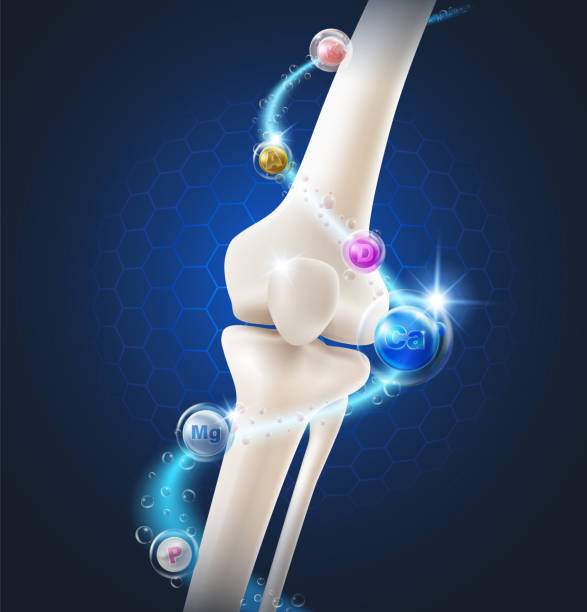
Bones contain minerals, including calcium and phosphorus, within a structural framework that also includes proteins. Maintaining bone health requires a combination of nutrients rather than relying on a single food or supplement.

Calcium: An Important Bone Mineral

Calcium is needed for normal bone structure and several other body functions. If dietary calcium intake is consistently inadequate, the body may draw on calcium stored in bones to maintain essential functions.

Food sources can include:

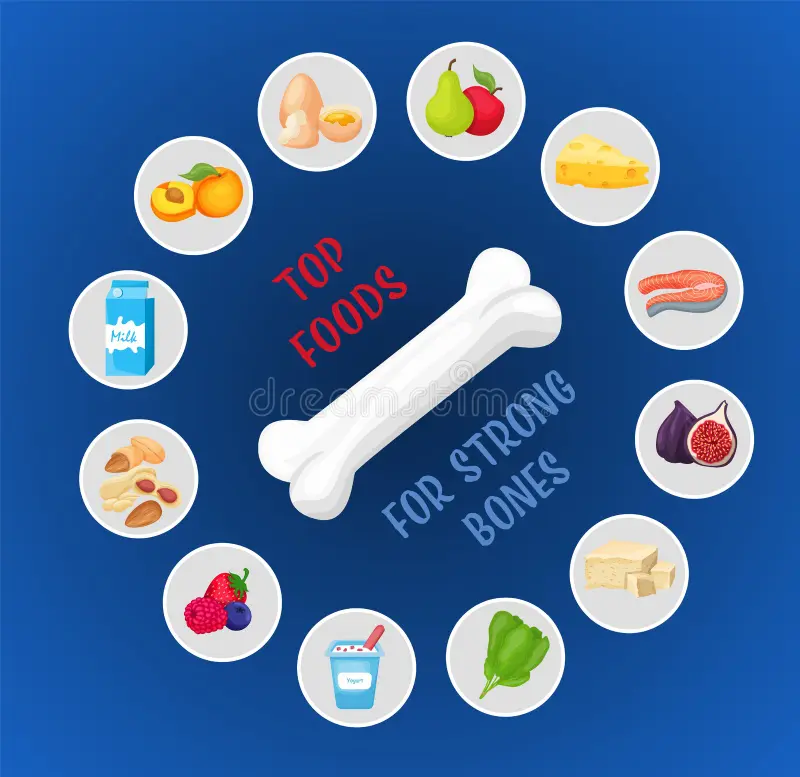
  • Milk, curd and suitable dairy products.
  • Calcium-fortified foods where available.
  • Certain leafy vegetables.
  • Foods such as sesame seeds and other suitable seeds.
  • Other calcium-containing foods that fit an individual's dietary pattern.

The amount of calcium needed varies with age and other factors. People who avoid dairy products may need to plan alternative sources carefully.

People with kidney disease or other medical conditions that affect mineral balance should seek individual advice before making substantial dietary changes or taking supplements.

Vitamin D: Supporting Calcium Absorption

Vitamin D helps the body absorb calcium and supports normal bone function. Low vitamin D levels can affect bone health, but symptoms alone cannot reliably establish whether someone has a deficiency.

Sources of vitamin D may include suitable foods, fortified products and synthesis in the skin following exposure to sunlight. The amount obtained varies depending on diet, location, skin characteristics, clothing, season and other factors.

Sun exposure should not be treated as a guaranteed way to correct a deficiency. A healthcare professional can assess whether testing or supplementation is appropriate.

Avoid taking high doses of vitamin D without medical advice because excessive intake can be harmful.

Protein: Supporting Muscles and Bones

Protein is important for normal tissue maintenance and muscle function. Muscles help support movement and contribute to joint stability.

Suitable protein sources may include dal, beans, chickpeas, soy foods, dairy products, eggs, fish, poultry and other foods that fit an individual's diet.

Protein requirements vary by age, activity level and health status. People with kidney disease or prescribed protein restrictions should consult their treating healthcare professional before changing their intake.

Other Nutrients and Overall Dietary Variety

Several nutrients contribute to normal body functions related to bones and muscles. These include phosphorus, magnesium, vitamin K and other vitamins and minerals.

A varied eating pattern can help provide many of these nutrients. However, taking additional supplements does not automatically improve bone or joint health, particularly when a person already meets their nutritional requirements.

For people with a suspected deficiency, osteoporosis or another diagnosed condition, a qualified healthcare professional can advise on appropriate assessment and management.

Different Stages

Bone Health at Different Stages of Life

Bone health needs change throughout life. Understanding these changes can help people make suitable decisions about nutrition, physical activity and preventive healthcare.

Children and Adolescents

Childhood and adolescence are important periods for bone development. Adequate nutrition, suitable physical activity and sufficient rest all contribute to normal growth.

Parents can encourage age-appropriate outdoor play, sports and balanced meals that include suitable sources of calcium and protein.

Children with growth concerns, persistent bone pain or difficulty participating in normal activities should be assessed by a qualified healthcare professional.

Explore our Children's Health Support page for general information about nutrition and healthy family routines.

Adults

During adulthood, bone tissue continues to undergo natural renewal. Maintaining a balanced diet, staying active and avoiding tobacco can contribute to overall bone health.

Adults who spend long periods sitting at work may benefit from incorporating suitable movement into their routines.

People with a history of fractures, long-term medication use or medical conditions that affect bone health may need individual medical assessment.

Older Adults

Bone density and muscle strength may decline with age. Changes in balance, vision, medication use and mobility can also influence the risk of falls.

Older adults may benefit from suitable strength and balance activities, a safe home environment and regular medical reviews.

Anyone with osteoporosis, previous fragility fractures or significant mobility limitations should consult a healthcare professional before starting a new exercise routine.

Everyday Movement

Understanding Joint Health and Everyday Movement

Joints allow the body to move in different ways. Some joints, such as those in the knees and hips, help bear body weight, while others support movements involving the hands, shoulders and spine.

Joint discomfort can have several causes, including overuse, injury, osteoarthritis, inflammatory conditions and other medical problems.

Common Joint-Related Concerns

People may experience:

Stiffness after sitting for a long time. Discomfort during certain movements. Reduced flexibility. Swelling around a joint. Difficulty with activities such as climbing stairs. Changes in balance or walking.

These symptoms do not establish a specific diagnosis. Persistent or worsening symptoms should be evaluated by a qualified healthcare professional.

Why Movement Matters

Appropriate movement can help maintain mobility and general physical fitness. For some people with joint conditions, a clinician or physiotherapist may recommend specific exercises to support strength, flexibility and function.

However, the right type and intensity of activity depend on the cause of the symptoms. Pushing through significant pain or continuing an activity after an injury may worsen the problem.

If a joint becomes suddenly very painful, hot or swollen, particularly with fever or feeling unwell, seek urgent medical assessment.

Everyday Food Choices

Everyday Food Choices for Bone and Joint Wellness

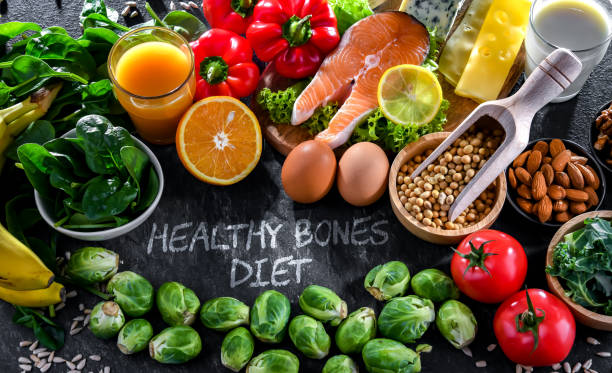
A balanced eating pattern supports general health and provides nutrients needed for normal bone and muscle function.

Instead of searching for one special food, consider how different food groups fit together across your meals.

1. Include a Variety of Foods

Depending on individual requirements, meals may include:

  • Vegetables and fruits.
  • Whole grains and other staple foods.
  • Pulses, beans and suitable protein sources.
  • Dairy products or appropriate alternatives.
  • Suitable sources of dietary fats.
  • Calcium-containing foods as part of the overall diet.

Families in Pune, Kolhapur, Sangli, Satara and other regions can often adapt familiar meals to include a greater variety of suitable foods.

For example, a meal may combine chapati or rice with dal, vegetables and an appropriate protein source. The best choices depend on personal preferences, food availability and any medical dietary restrictions.

2. Be Cautious With Supplements Marketed for Joint Health

Products containing calcium, vitamin D, collagen, glucosamine or herbal ingredients are often marketed for bone and joint wellness. Their evidence, suitability and risks vary by ingredient and intended use.

No supplement should be assumed to rebuild cartilage, reverse arthritis or eliminate joint pain. Some products can interact with medicines or be unsuitable for certain medical conditions.

Before using a supplement to address persistent pain, osteoporosis or a suspected nutritional deficiency, seek advice from a qualified healthcare professional.

Bone & Joint Health Support Areas

Bone & Joint Health Support in Pune, Maharashtra and Goa

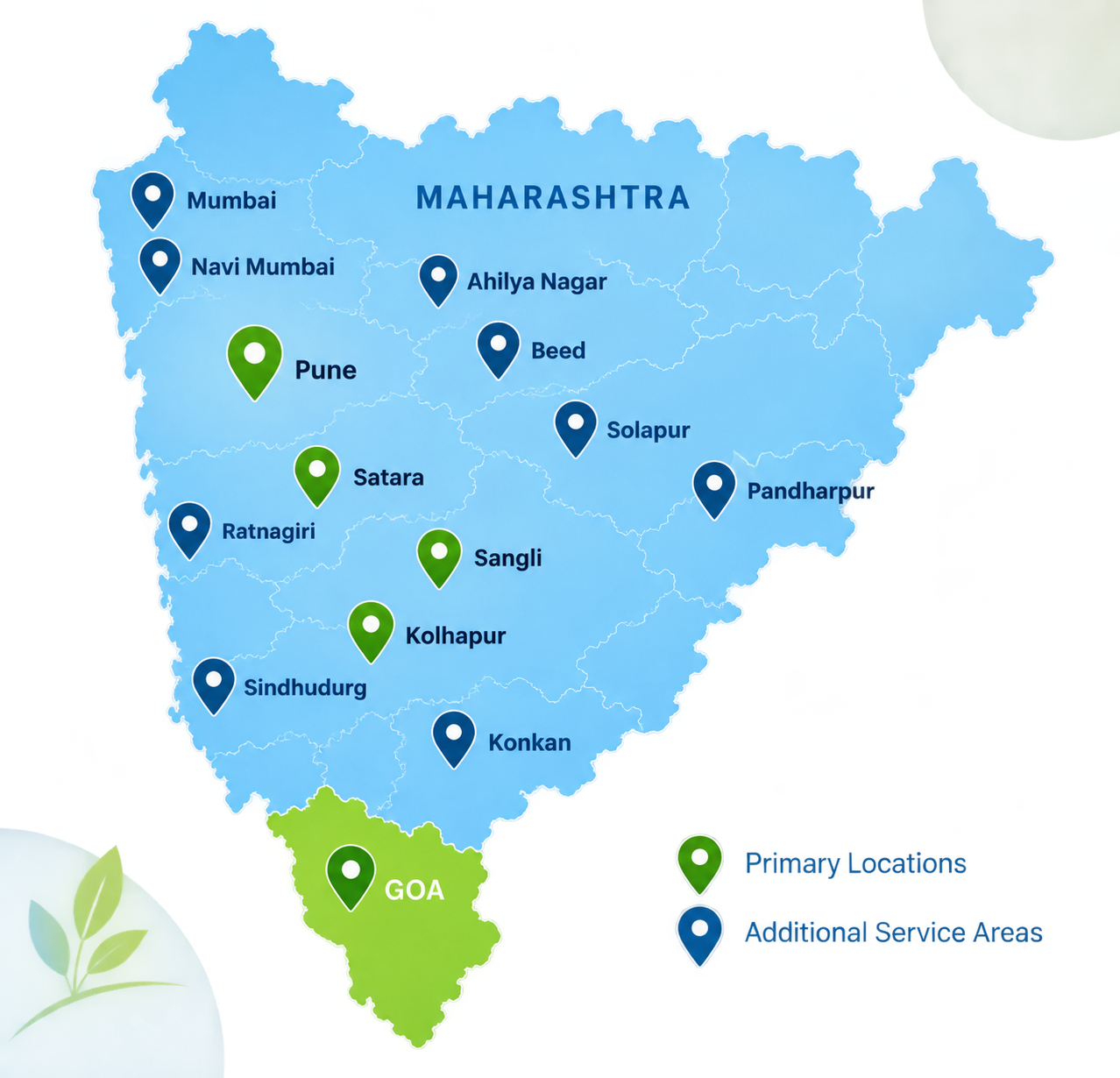
Shri Samarth Wellness & Fitness Centre's intended primary service areas include Pune, Kolhapur, Sangli and Satara, with Goa also among its target locations.

People searching for bone health and joint wellness information in these areas may use this page to understand general nutrition, physical activity and everyday mobility habits.

Additional target areas include Mumbai, Navi Mumbai, Solapur, Ratnagiri, Pandharpur, Beed, Ahilya Nagar, Sindhudurg and the Konkan region.

Please contact the centre to confirm whether Bone & Joint Health Support is currently available in your location, what the service includes and which professionals provide it. These location references do not confirm a physical branch or clinical service in every area.

Suitable Physical Activity

Suitable Physical Activity for Bone and Joint Wellness

Regular physical activity can help maintain muscle strength, balance, flexibility and general fitness. Weight-bearing activities can also support bone health. However, the most appropriate activity depends on a person's age, fitness level, medical history and any existing joint problems.

You do not need to begin with an intensive workout. A gradual, consistent routine is often more practical than making sudden changes.

Walking and Everyday Movement

Walking is an accessible activity for many people. Depending on your abilities, you might take a short walk, use a suitable indoor walking route or incorporate brief movement breaks into your working day.

For people who spend long hours sitting at a desk in Pune or other busy cities, standing periodically and moving around when practical can help reduce prolonged sedentary time.

If walking causes significant pain, swelling or instability, do not simply push through it. Seek appropriate professional assessment.

Strengthening Exercises

Muscles help support movement and joint function. Suitable strengthening exercises may include exercises using body weight, resistance bands or light weights, depending on individual ability.

A physiotherapist or qualified exercise professional can help identify appropriate movements, particularly for people recovering from an injury or managing a diagnosed joint condition.

Balance and Flexibility

Balance activities and gentle mobility exercises may help maintain physical function, especially as people get older.

Examples may include controlled movements, suitable stretching and supervised balance exercises. People with a history of falls, severe osteoporosis or significant mobility problems should seek professional advice before attempting challenging activities.

Choose Activities That Suit Your Body

Cycling, swimming and other low-impact activities may be suitable for some people who find higher-impact exercise uncomfortable. However, no activity is appropriate for everyone.

If you have recently had surgery, experienced a fracture or received a diagnosis affecting your bones or joints, follow your treating clinician's or physiotherapist's instructions before starting or changing an exercise programme.

Practical Daily Habits

Practical Daily Habits for Bone and Joint Wellness

Small changes in daily routines can make healthy habits easier to maintain. The goal is to find a routine that supports your mobility, nutrition and general well-being without adding unnecessary pressure.

Maintain a Balanced Diet

Include a variety of suitable foods that provide protein, calcium and other essential nutrients. Your individual needs may differ depending on age, dietary pattern, activity level and medical conditions.

Avoid Tobacco and Limit Alcohol

Smoking is associated with poorer bone health and can affect healing. Excessive alcohol consumption can also negatively affect bone health and increase the risk of falls and injuries.

If you smoke and want to stop, a healthcare professional can help you explore appropriate support.

Create a Safer Home Environment

For older adults and people with balance difficulties, reducing fall hazards may be particularly useful.

Consider keeping walkways clear, improving lighting, using suitable footwear and arranging frequently used items within easy reach. Any assistive devices should be selected with appropriate professional guidance.

Allow Time for Rest and Recovery

Rest is an important part of physical activity and recovery. If an exercise routine causes persistent pain or unusual swelling, reassess the activity and seek professional advice rather than repeatedly exercising through symptoms.

Attend Recommended Health Checks

A healthcare professional may recommend assessment for osteoporosis or other bone-related concerns based on age, medical history, previous fractures, medication use and individual risk factors.

Not everyone needs the same tests. Follow an appropriate screening and follow-up plan based on professional advice.

Right Nutrition Support

the Right Nutrition Support for Bone and Joint Wellness

Nutrition guidance should reflect your age, food preferences, health history and individual requirements. A general wellness plan may be appropriate for someone seeking to improve everyday eating habits, while a person with osteoporosis, kidney disease or a diagnosed joint condition may need more specialised advice.

a] When General Nutrition Guidance May Help

General nutrition education may help you:

  • Understand food sources of calcium and protein.
  • Learn about dietary variety and balanced meals.
  • Plan meals around your daily routine.
  • Understand the role of vitamin D and other nutrients.
  • Identify questions to discuss with your healthcare professional.

b] When to Seek Medical or Specialist Advice

Consult a qualified healthcare professional if you have persistent joint pain, unexplained bone pain, recurrent fractures, suspected osteoporosis or difficulty moving normally.

If you have a diagnosed condition, a registered dietitian or other appropriately qualified nutrition professional may help you understand dietary requirements alongside your medical care.

Do not discontinue prescribed medication or replace medical treatment with a supplement, special diet or wellness programme.

For more information about general dietary habits, explore our Nutrition service page and Diet Management page.

Why Choose

Why Choose Shri Samarth Wellness & Fitness Centre?

Understanding bone and joint wellness involves more than focusing on one nutrient or exercise. Nutrition, movement, rest, personal health circumstances and appropriate medical care all have a role.

Shri Samarth Wellness & Fitness Centre's wellness content aims to make everyday nutrition and lifestyle information easier to understand.

Our Approach to Wellness

Practical nutrition awareness

Learn about balanced meals and nutrients involved in normal bone and muscle function.

Everyday lifestyle habits

Understand how appropriate movement, rest and consistent routines fit into overall wellness.

Individual needs matter

Recognise that nutritional requirements and physical abilities differ from person to person.

Connected wellness information

Explore related services such as nutrition and diet management.

Responsible health information

Understand when general wellness guidance is not enough and professional medical assessment is needed.

Service Across Multiple Locations

Our primary service areas include Pune, Kolhapur, Sangli, Satara and Goa. Availability in other locations should be confirmed directly with our team.

Before booking, confirm the centre's current Bone & Joint Health Support offerings, the qualifications of the professionals involved and whether individual consultations are available. This page does not establish that the centre provides orthopaedic treatment, physiotherapy, diagnostic testing or specialised clinical nutrition services unless these are independently confirmed.

Bone & Joint Health Support Areas

Bone & Joint Health Support in Pune, Maharashtra and Goa

Shri Samarth Wellness & Fitness Centre's intended service areas include Pune, Kolhapur, Sangli and Satara, as well as Goa.

The page is designed for people seeking general information about bone health, joint wellness, nutrition and everyday mobility.

Additional target areas include Mumbai, Navi Mumbai, Solapur, Ratnagiri, Pandharpur, Beed, Ahilya Nagar, Sindhudurg and the Konkan region.

If you are looking for Bone & Joint Health Support in Pune or another target location, contact the centre to confirm current availability, the exact service provided and appointment arrangements. These location references do not confirm a physical branch or clinical service in every area.

Frequently Asked Questions

Frequently Asked Questions About Bone & Joint Health Support

01

It refers broadly to wellness education about nutrition, physical activity and daily habits associated with bone health, muscle strength and mobility. It does not replace medical diagnosis or treatment.

03

No. Bone health depends on several factors, including adequate calcium and vitamin D, overall nutrition, physical activity, age, genetics and medical circumstances. Supplements should be used when appropriate rather than assumed to be necessary for everyone.

05

Walking, appropriate strengthening exercises, balance activities and other suitable movements may support general fitness and mobility. The best activity depends on age, ability and medical history. People with osteoporosis, injuries or diagnosed joint conditions may need individual guidance.

07

Not everyone needs supplements. Their suitability depends on the ingredient, evidence, medical history, diet and medications. Ask a qualified healthcare professional before taking supplements for ongoing pain or a diagnosed condition.

09

Appropriate nutrition, suitable physical activity, fall-prevention measures and recommended medical assessments can contribute to overall bone health. People with osteoporosis or a history of fractures should follow individual professional guidance.

11

This page describes general wellness and nutrition information. It does not establish that the centre provides orthopaedic diagnosis, surgery, physiotherapy or other specialist treatment. Contact the centre to confirm its actual services.

02

Foods containing calcium, protein and other essential nutrients can contribute to a balanced diet. Examples include dairy products, suitable fortified alternatives, pulses, beans, seeds and other varied foods. Individual requirements differ.

04

Vitamin D helps the body absorb calcium and supports normal bone function. Whether supplementation is needed depends on individual circumstances and should be discussed with a qualified healthcare professional.

06

No specific food or supplement can be guaranteed to cure joint pain or arthritis. Nutrition can contribute to general health, but persistent symptoms require appropriate medical assessment and treatment.

08

Persistent or worsening pain should be assessed by a qualified healthcare professional. Avoid assuming that the discomfort is simply age-related or attempting to manage it solely through supplements or exercise.

10

Seek urgent assessment if a joint becomes suddenly very painful, hot or swollen, particularly when accompanied by fever. After an injury, severe pain, deformity or inability to bear weight also warrants prompt medical evaluation.

12

Visit our Contact Us page to enquire about current services and availability. The centre's intended target locations include Pune, Kolhapur, Sangli, Satara and Goa, among other areas.

Wellness Guidance

Responsible Wellness Guidance

This page is intended for general educational purposes. It does not replace medical diagnosis, orthopaedic care, physiotherapy or personalised dietary advice.

Bone and joint health can be influenced by age, genetics, nutrition, physical activity, injury, medication and underlying medical conditions. No particular food, supplement or wellness programme can guarantee the prevention or treatment of osteoporosis, arthritis or other musculoskeletal conditions.

If you have persistent pain, unexplained bone symptoms, a history of fractures, a diagnosed medical condition or prescribed dietary restrictions, consult an appropriately qualified healthcare professional before making significant changes to your diet or exercise routine.

Seek urgent medical care for serious symptoms, including a suddenly hot and swollen joint with fever, severe injury or inability to bear weight.

Related Services

Explore Related Wellness Services

Visitors interested in broader nutrition and lifestyle support may also explore these pages:

Contact Now