Sleep Support

About Sleep Support Service

Sleep Support

Sleep Support in Pune, Maharashtra & Goa

A good night's sleep can make everyday life feel more manageable. It supports concentration, mood, memory, energy and the ability to carry out daily responsibilities. Yet many people struggle to maintain a consistent sleep routine because of work pressure, late-night screen use, irregular schedules, family responsibilities or other lifestyle factors.

At Shri Samarth Wellness & Fitness Centre, people interested in general wellness can enquire about available support related to healthy daily routines and lifestyle habits. For individuals searching for sleep support in Pune, understanding sleep hygiene, balanced nutrition, relaxation and consistent routines can be a useful starting point.

Sleep concerns are not always caused by lifestyle habits alone. Ongoing difficulty sleeping, loud snoring, waking up gasping, persistent daytime sleepiness or other continuing symptoms may indicate a condition that requires assessment by a qualified healthcare professional. General wellness guidance can complement appropriate care, but it should not replace medical evaluation or prescribed treatment.

Whether you live in Pune, Kolhapur, Sangli, Satara or another part of Maharashtra, building a more consistent routine may help you take practical steps towards better sleep habits. People in Goa and other locations can enquire about the centre's actual service availability before making arrangements.


Shri Samarth Wellness & Fitness Centre Shri Samarth Wellness & Fitness Centre
Sleep Support

What Is Sleep Support?

Sleep support refers to guidance and everyday practices that may help people develop healthier sleep habits. Depending on the provider's actual services, this may include education about sleep routines, evening habits, stress management, nutrition awareness and creating a comfortable sleep environment.

Sleep support is not the same as diagnosing or treating a sleep disorder.

For example, someone who regularly works late and uses a mobile phone in bed may benefit from reviewing their evening routine. Someone who has persistent insomnia, severe daytime sleepiness or symptoms of sleep apnoea needs appropriate clinical assessment.

A responsible approach recognises that sleep is influenced by many factors, including:

Daily schedules and work patterns. Stress and emotional well-being. Light exposure and screen use. Caffeine, alcohol and nicotine use. Physical activity and meal timing. Age and individual sleep needs. Medical conditions and prescribed medicines. Sleep disorders that may require professional care.

Understanding these factors can help people identify practical habits to discuss with an appropriate professional.

Importance

Why Is Quality Sleep Important?

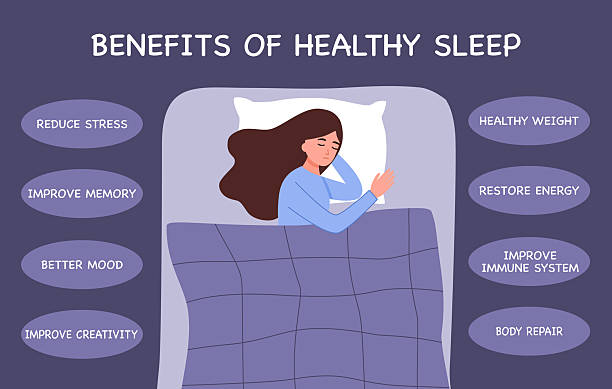
Sleep is an essential part of overall health. During sleep, the body carries out important processes associated with physical recovery, memory, learning and normal regulation of many bodily functions.

1. Sleep and Energy

Inadequate or disrupted sleep can leave people feeling tired, less alert or less motivated during the day. A consistent sleep routine may help support daytime functioning, although persistent fatigue can have causes beyond sleep habits.

If you regularly feel exhausted despite allowing enough time for sleep, seek medical advice rather than assuming that you simply need to sleep earlier.

2. Sleep and Concentration

Sleep plays an important role in attention, learning and memory. Students may find it harder to concentrate after a poor night's sleep, while working professionals may struggle with focus, decision-making or productivity.

A regular sleep schedule, a comfortable sleeping environment and suitable daytime habits can support healthy sleep. They cannot guarantee that every concentration problem will resolve, because other physical and mental health factors may also contribute.

3. Sleep and Emotional Well-Being

Poor sleep can affect patience, mood and the ability to manage everyday stress. Stress can also make it harder to fall asleep, creating a cycle in which worry and tiredness reinforce each other.

Relaxation practices, time to unwind and a predictable bedtime routine may help some people. Persistent anxiety, low mood or severe distress deserves appropriate professional support.

4. Sleep and Physical Health

Healthy sleep is associated with normal immune function, metabolism and cardiovascular health. Long-term sleep problems can occur alongside other health concerns and should not be ignored.

Lifestyle habits are one part of a broader approach to well-being. They do not replace medical treatment, and sleep difficulties should not be treated as a personal failure or a lack of discipline.

Common Reasons

Common Reasons People Struggle with Sleep

Sleep problems can have many causes. Identifying the pattern is often more useful than immediately buying a supplement or trying an unverified remedy.

Irregular Sleep and Wake Times

Sleeping at different times each night, frequently changing shifts or catching up on sleep at inconsistent hours can make a regular routine harder to establish.

Where possible, choose a wake-up time that fits your responsibilities and maintain it consistently. Your bedtime can then be adjusted to allow sufficient sleep for your age and individual needs.

Stress and an Overactive Mind

Work deadlines, financial concerns, family responsibilities and personal worries may make it difficult to relax at night. Some people feel physically tired but continue thinking about the next day's tasks once they get into bed.

A short evening routine may help create a transition from work to rest. This could include preparing for the next day, reading something calming, gentle stretching or practising slow, comfortable breathing.

If distress or anxiety is persistent, consider speaking with a qualified mental health

Late-Night Screens

Phones, tablets, computers and televisions can keep people mentally engaged close to bedtime. Light exposure at night can also affect the body's sleep-wake timing.

Try reducing stimulating screen use before bed, dimming indoor lighting and avoiding work messages when possible. The best approach is one you can maintain without creating additional stress.

Caffeine and Other Stimulants

Coffee, tea, energy drinks and some other products contain caffeine, which can interfere with sleep depending on the amount consumed and individual sensitivity.

Consider tracking when you consume caffeine and whether it affects your sleep. Some people benefit from avoiding it for several hours before bedtime. Nicotine can also disrupt sleep, while alcohol may make someone feel sleepy initially but can lead to poorer sleep quality later in the night.

Do not use alcohol as a sleep aid.

Heavy Meals or Discomfort at Bedtime

Large meals close to bedtime may cause discomfort for some people, especially those prone to reflux or indigestion. If this affects you, consider having your main evening meal earlier and choosing a comfortable portion size.

Avoid imposing strict food rules without considering your needs. People with diabetes, digestive conditions or other medical requirements may need personalised advice about meal timing.

Medical Conditions and Medicines

Pain, breathing problems, hormonal changes, certain medications and other medical conditions can affect sleep. Insomnia and sleep apnoea may also require specific assessment and treatment.

If sleep problems begin after starting or changing a medication, speak with the prescribing clinician. Do not stop or adjust prescribed medicines on your own.

Different Lifestyles

Sleep Support for Different Lifestyles

Sleep needs and routines vary from person to person. Work schedules, age, family responsibilities and health circumstances can all influence how much rest someone gets and how easily they fall asleep.

1. Sleep Support for Students

Students may stay up late studying, use their phones in bed or change their sleeping schedule on weekends. These habits can make it harder to maintain a consistent routine.

Helpful practices include planning study time earlier in the evening, taking breaks during long study sessions, reducing late-night screen use and keeping wake-up times reasonably consistent. A suitable sleep schedule is especially important for children and teenagers, whose sleep needs differ from those of adults.

If a student experiences persistent daytime sleepiness, difficulty concentrating or ongoing sleep problems, parents or caregivers should consider discussing the concern with a healthcare professional.

2. Sleep Support for Working Professionals

Office workers, business owners and people with demanding schedules may find it difficult to switch off after a long day. Work messages, commuting, late meetings and household responsibilities can reduce the time available for sleep.

A practical routine might include setting a reasonable work cut-off time, preparing clothes or meals in advance, limiting stimulating activities before bed and keeping the bedroom comfortable.

People working night shifts or rotating shifts may need a different strategy because their work hours can conflict with the body's usual sleep-wake rhythm. Persistent problems related to shift work should be discussed with a healthcare professional.

3. Sleep Support for Parents and Caregivers

Parents of young children and people caring for family members may have interrupted sleep that cannot always be solved by changing bedtime habits.

Where possible, sharing responsibilities, accepting practical help and protecting opportunities for rest may be useful. The goal is to find realistic adjustments rather than placing additional pressure on people who already have limited control over their schedules.

4. Sleep Support for Older Adults

Sleep patterns may change with age, but persistent sleep disturbance should not automatically be dismissed as a normal part of getting older.

Pain, medication effects, frequent urination, breathing problems and other health issues may contribute to disrupted sleep. Older adults who experience ongoing problems should discuss them with a qualified healthcare professional, especially before using sleep supplements or over-the-counter products.

The Connection Between

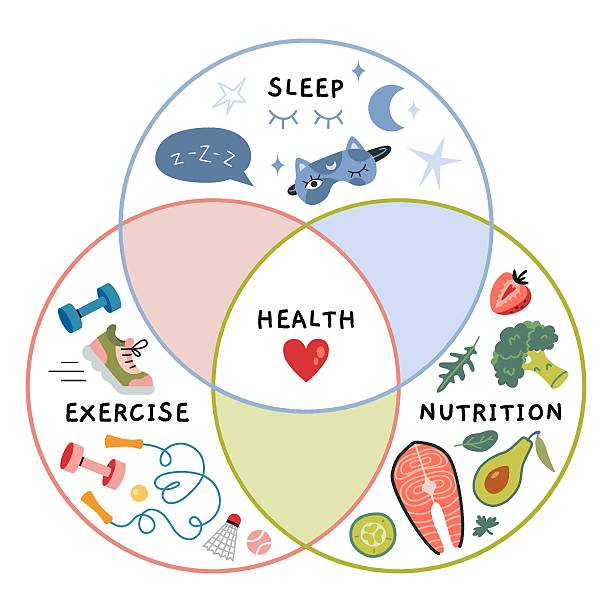
The Connection Between Nutrition, Activity and Sleep

Everyday habits can influence sleep, but there is no single diet or exercise routine that guarantees a good night's rest.

A. Balanced Nutrition

Regular, balanced meals can support general health and provide energy throughout the day. Include a variety of vegetables, fruits, whole grains, protein sources and suitable fats according to your needs and preferences.

Avoid assuming that particular foods will cure insomnia. Warm milk or a light evening snack may be comforting for some people, but neither is a guaranteed treatment for a sleep disorder.

B. Meal Timing

Some people find that a very large meal immediately before bed causes discomfort. Others may experience hunger if dinner is too early or too small.

Experiment with a meal schedule that suits your routine and health requirements. If you have a medical condition that affects meal timing, follow the advice of your healthcare professional.

C. Physical Activity

Regular physical activity supports overall well-being and may help some people maintain healthier sleep patterns. Suitable activities include walking, cycling, swimming, yoga or other exercise appropriate to your abilities.

Try to find a routine that you can sustain. If vigorous exercise close to bedtime makes you feel more alert, move it earlier where possible. Gentle stretching or relaxation may be more comfortable in the evening.

D. Caffeine Awareness

Tea and coffee are common parts of daily life in Pune and across Maharashtra. You do not necessarily need to eliminate them, but timing and quantity can matter.

If you struggle to fall asleep, consider reducing afternoon and evening caffeine and observing whether your sleep changes. Energy drinks and some supplements may also contain stimulants, so read product labels carefully.

D. Hydration Without Disrupting Rest

Drinking enough fluids during the day supports normal body functions. However, consuming large amounts immediately before bed may lead to repeated bathroom visits for some people.

Spread fluid intake across the day when appropriate. If frequent nighttime urination continues or is new, seek medical advice rather than simply restricting water.

When Should

When Should You Seek Professional Help for Sleep Problems?

Lifestyle changes may help with some sleep difficulties, but they are not enough for every situation.

Consider seeking assessment from a qualified healthcare professional if you:

A healthcare professional can assess possible causes and recommend appropriate next steps. Depending on the symptoms, this may include further evaluation or referral to a sleep specialist.

Do not drive or operate machinery when you are dangerously sleepy. If you experience severe breathing difficulty, chest pain or another acute medical emergency, seek urgent medical assistance.

At Shri Samarth Wellness & Fitness Centre, enquire about the actual wellness services currently available. Any general lifestyle guidance should complement, not replace, appropriate medical assessment when symptoms suggest a sleep disorder.

Practical Daily Habits

Practical Daily Habits to Support Better Sleep

Improving sleep habits does not require a complicated routine. Start with a few realistic changes and build consistency over time.

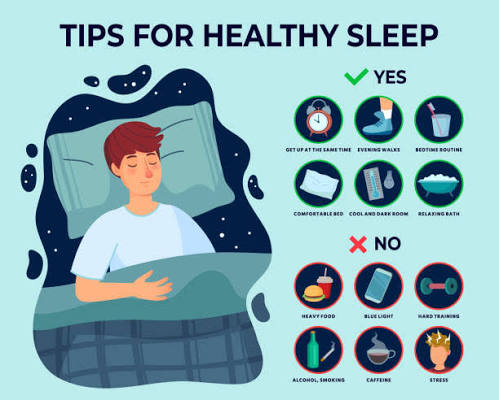
Maintain a Consistent Wake-Up Time

Choose a wake-up time that works with your responsibilities and try to keep it reasonably consistent, including on weekends. A stable schedule can help your body establish a more predictable sleep-wake rhythm.

Allow enough time for sleep according to your age and individual needs. Most adults generally need around seven to nine hours per night, although requirements vary.

Create a Wind-Down Routine

Set aside time to transition from daily activities to rest. You might:

  • Prepare your clothes or work items for the next day.
  • Read a physical book or listen to quiet audio.
  • Practise gentle stretching or comfortable breathing exercises.
  • Reduce bright lighting and stimulating screen use.
  • Keep work-related notifications away from your bedtime routine.

You do not need to follow every step. Choose a small number of habits that feel realistic and repeat them regularly.

Make Your Bedroom Comfortable

A suitable sleeping environment is generally quiet, dark and comfortably cool. Depending on your circumstances, blackout curtains, a fan, earplugs or reducing unnecessary light may help.

If your living environment is noisy or shared, focus on adjustments that are possible rather than expecting perfect conditions. A comfortable pillow and mattress may also help, but expensive sleep products are not essential for everyone.

Get Daytime Light and Movement

Spending time outdoors during the day and maintaining regular physical activity may help support a healthy sleep-wake rhythm. A morning walk can be a practical way to combine movement with natural light.

Adapt activity to your health, abilities and local weather. Exercise should be appropriate to your circumstances, and people with medical restrictions should follow professional advice.

Avoid Turning Sleep into a Performance Test

Watching the clock repeatedly or worrying about whether you will fall asleep can make bedtime more stressful. If you find yourself becoming increasingly frustrated, a quiet, low-stimulation activity outside the bed may be helpful until you feel sleepy again.

If sleep difficulties continue, consider professional assessment instead of repeatedly trying new remedies.

Evening Routine

A Simple Evening Routine: An Example

The following example is an illustration, not a prescribed schedule. Adjust it to suit your work hours, family responsibilities and personal sleep needs.

Approximate time Suggested activity
2–3 hours before bed Have dinner at a time that feels comfortable for you
1–2 hours before bed Finish demanding tasks where possible and prepare for the next day
30–60 minutes before bed Reduce stimulating screen use and dim the lights
Before bed Follow a calming routine, such as reading or gentle stretching
Bedtime Aim for a consistent schedule that allows sufficient sleep
Morning Wake at a reasonably consistent time and get some daylight when possible

The exact timings are flexible. People who work shifts, care for children or have medical needs may require a different approach.

Sleep Support Areas

Sleep Support in Pune, Maharashtra and Goa

People searching for sleep support in Pune may want help understanding healthy routines, managing evening habits or improving their overall wellness. The most suitable support depends on whether the concern relates to everyday habits or a possible medical sleep disorder.

Shri Samarth Wellness & Fitness Centre can be contacted to confirm whether it currently provides relevant general wellness or lifestyle guidance.

People in Pune, Kolhapur, Sangli and Satara can enquire about available services and consultation arrangements. Enquiries may also come from Mumbai, Navi Mumbai, Solapur, Ratnagiri, Pandharpur, Beed, Ahilya Nagar, Sindhudurg, the Konkan region and Goa.

Service availability must be confirmed directly with the centre. These geographic references do not imply that a physical branch exists in each location or that remote consultations are offered.

If you experience persistent insomnia, severe daytime sleepiness, loud snoring with breathing pauses or other concerning symptoms, seek appropriate medical assessment. General wellness guidance should not be promoted as a replacement for clinical sleep care.

Frequently Asked Questions

Frequently Asked Questions About Sleep Support

01

Sleep support can include education about consistent sleep schedules, bedtime routines, relaxation, screen use and other daily habits. The exact service depends on the provider. It does not automatically include diagnosis or treatment of sleep disorders.

03

Consistent wake-up times, a comfortable bedroom, regular physical activity and reducing late-day caffeine may help some people. However, sleep difficulties can also arise from medical conditions, medications or sleep disorders that need professional assessment.

05

Warm milk may be comforting for some people, but it is not a proven universal treatment for insomnia. Persistent sleep difficulties should be assessed appropriately rather than managed through one food or drink alone.

07

Regular physical activity supports general health and may help some people maintain healthier sleep patterns. Choose exercise suitable for your abilities. If intense activity close to bedtime makes you feel alert, consider moving it earlier.

09

No. Loud snoring, especially when accompanied by pauses in breathing, gasping or significant daytime sleepiness, can be associated with sleep apnoea. A qualified healthcare professional can assess whether further evaluation is needed.

11

The centre's exact services and professional qualifications should be confirmed directly. Do not assume that general wellness support includes diagnosis or treatment of insomnia or other sleep disorders. Persistent sleep difficulties warrant appropriate clinical assessment.

13

Seek professional advice if sleep difficulties persist, affect your work or daily activities, or occur alongside significant daytime sleepiness, loud snoring, breathing pauses or other concerning symptoms. Severe or sudden symptoms may require urgent care.

02

Most adults generally need around seven to nine hours of sleep per night. Individual needs vary with age, health, activity and other factors. If you regularly feel unrefreshed despite allowing sufficient time for sleep, consider discussing it with a healthcare professional.

04

Late-night screen use can keep you mentally engaged, and light exposure may affect sleep timing. Reducing stimulating screen use before bed may help, although screen use is not the only possible cause of sleep problems.

06

Not necessarily. Caffeine sensitivity differs between individuals, but caffeine consumed later in the day can interfere with sleep. If you are having trouble sleeping, consider adjusting the timing or amount and observe whether it helps.

08

Occasional waking can happen, but repeated or persistent disruptions may have many causes, including environmental factors, pain, medication effects, urinary symptoms or breathing problems. If the issue affects your daily life, seek medical advice.

10

Not everyone needs medication or supplements, and they should not be started automatically. Some products can cause side effects or interact with medicines. Discuss persistent sleep problems and any proposed sleep aid with a qualified healthcare professional.

12

People in these locations can enquire about the centre's current availability and consultation arrangements. Confirm whether any service is offered in person, remotely or through another arrangement before making plans.

Why Consider

Why Consider Shri Samarth Wellness & Fitness Centre?

Shri Samarth Wellness & Fitness Centre may be a starting point for enquiries about general wellness and lifestyle guidance, subject to its confirmed services and staff qualifications.

Before choosing a programme, ask about its scope, the qualifications of the professionals involved, fees, appointment arrangements and whether it is appropriate for your goals. A responsible provider should communicate realistic expectations and refer people for clinical evaluation when symptoms require it.

For service details, visit the Contact Us page. You can also explore the website's About Us page to learn more about the centre, ensuring that any published information accurately reflects the business.

Wellness Guidance

Responsible Sleep and Wellness Guidance

Sleep concerns deserve attention, but they should not automatically be attributed to poor habits or stress. A person may be following a consistent routine and still experience a sleep disorder or another health condition.

Keep these principles in mind:

  • Do not stop prescribed medication or change its dosage without consulting the prescribing clinician.
  • Do not stop prescribed medication or change its dosage without consulting the prescribing clinician.
  • Check with a healthcare professional before using sleep supplements, particularly if you take medication, are pregnant, or have an existing health condition.
  • Seek assessment for persistent insomnia, loud snoring with breathing pauses, ongoing daytime sleepiness or other continuing symptoms.
  • Avoid driving or operating machinery when excessively sleepy.

This page provides general educational information and is not a diagnosis, personalised treatment plan or substitute for medical advice.

Related Services

Explore Related Wellness Services

Contact Now