Digestive Health Support

About Digestive Health Support Service

Digestive Health Support

Digestive Health Support Pune, Maharashtra & Goa

A comfortable digestive routine can make everyday life easier. From planning balanced meals and drinking enough water to understanding how food choices and daily habits affect digestion, small changes can support overall well-being. However, digestive needs vary from person to person, and there is no single diet or routine that works for everyone.

At Shri Samarth Wellness & Fitness Centre, Digestive Health Support focuses on general nutrition awareness, balanced eating habits, hydration, and practical lifestyle guidance that can fit into your daily routine. Whether you want to improve your meal planning, establish regular eating habits, or make more informed food choices, the goal is to help you build sustainable habits rather than follow restrictive diets or quick-fix solutions.

People looking for digestive wellness guidance in Pune, Kolhapur, Sangli, Satara, and other parts of Maharashtra may benefit from learning how everyday food choices and routines contribute to general health. Support availability for other locations, including Goa, can be confirmed directly with the centre.

Shri Samarth Wellness & Fitness Centre
Digestive Health Support

What Is Digestive Health Support?

Digestive health support is a general wellness approach that helps people understand and develop habits related to food, fluids, meal timing, and everyday activity. It can include learning about balanced meals, fibre-rich foods, adequate hydration, and the importance of eating a varied diet.

The digestive system processes food, absorbs nutrients, and helps the body eliminate waste. Good nutrition supports these functions, but digestive comfort is influenced by many factors, including individual food tolerance, physical activity, sleep, stress, medications, and underlying health conditions.

Digestive Health Support at a wellness centre should complement—not replace—medical assessment when symptoms are persistent, severe, or unexplained.

Digestive Wellness Important

Why Is Digestive Wellness Important?

Digestive wellness is connected to several everyday functions:

1. Nutrient absorption: The digestive system helps the body absorb nutrients needed for energy, growth, and normal body functions.

2. Bowel regularity: Adequate fluids, suitable fibre intake, movement, and consistent routines can help support regular bowel habits.

3. Meal comfort: Appropriate portions and eating at a comfortable pace may help some people feel more comfortable after meals.

4. Daily energy: Eating a varied and balanced diet helps provide the energy and nutrients needed for work, study, exercise, and family activities.

5. Overall well-being: Food choices, hydration, sleep, stress management, and physical activity all contribute to general health.

Digestive symptoms do not always result from diet alone. Conditions such as food intolerances, infections, reflux, irritable bowel syndrome, and other medical problems may require assessment by a qualified healthcare professional.

Common Everyday Concerns

Common Everyday Concerns Related to Digestion

People often search for nutrition guidance when they experience changes in their eating habits or digestive comfort. Understanding the difference between general wellness needs and symptoms requiring medical care is important.

Irregular bowel habits

Some people experience constipation or changes in their usual bowel routine. For general wellness, adequate fluid intake, gradual increases in fibre when appropriate, regular movement, and a consistent daily routine may help.

However, persistent constipation, blood in the stool, severe abdominal pain, or a sudden change in bowel habits should not be managed through diet changes alone.

Bloating and a feeling of fullness

Bloating can have many causes. Eating quickly, consuming large meals, carbonated drinks, certain foods, constipation, and some medical conditions may contribute.

Eating slowly, noticing personal food patterns, and choosing comfortable portion sizes may help some people. Avoid eliminating entire food groups without a clear reason or appropriate professional guidance.

Gas and digestive discomfort

Gas is a normal part of digestion, but excessive or uncomfortable gas can affect daily activities. Some high-fibre foods, beans, certain vegetables, dairy products in people with lactose intolerance, and fizzy drinks may affect individuals differently.

Keeping a simple food-and-symptom diary may help identify patterns. If symptoms persist or interfere with everyday life, seek medical advice rather than relying on unverified remedies.

Irregular meal routines

Busy schedules, skipped meals, late-night eating, and frequent reliance on convenience foods can make balanced eating more difficult.

Planning meals ahead, keeping suitable snacks available, and maintaining a practical routine can help people make more consistent food choices. The best meal schedule is one that fits individual needs and can be followed comfortably.

Low fibre intake

Fibre is found in foods such as whole grains, pulses, vegetables, fruits, nuts, and seeds. It supports bowel function and contributes to a balanced diet.

Increasing fibre suddenly can cause gas or bloating in some people. A gradual increase, alongside adequate fluids, is generally more comfortable. Some medical conditions require individualised fibre advice, so professional guidance may be necessary.

How Nutrition Supports

How Nutrition Supports Digestive Wellness

Nutrition is one part of digestive wellness. A varied diet can supply fibre, protein, vitamins, minerals, and fluids needed for normal body functions. Rather than depending on one “superfood,” focus on an overall eating pattern that is balanced, varied, and suitable for your needs.

Include a variety of fibre-rich foods

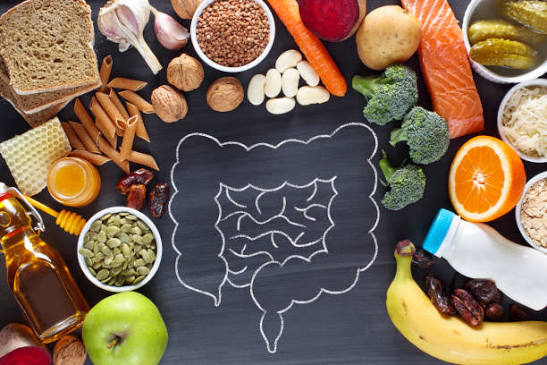
Fibre comes in different forms and is found in many plant foods. Suitable options may include:

  • Whole grains such as oats, whole-wheat roti, and other minimally processed grains.
  • Pulses and legumes such as moong, masoor, chana, and rajma.
  • Vegetables such as carrots, beans, leafy vegetables, and gourds.
  • Fruits such as oranges, pears, apples, and other seasonal choices.
  • Nuts and seeds in suitable portions.

Individual tolerance differs. If a particular food repeatedly causes discomfort, discuss the pattern with a qualified professional instead of unnecessarily restricting many foods.

Choose balanced meals

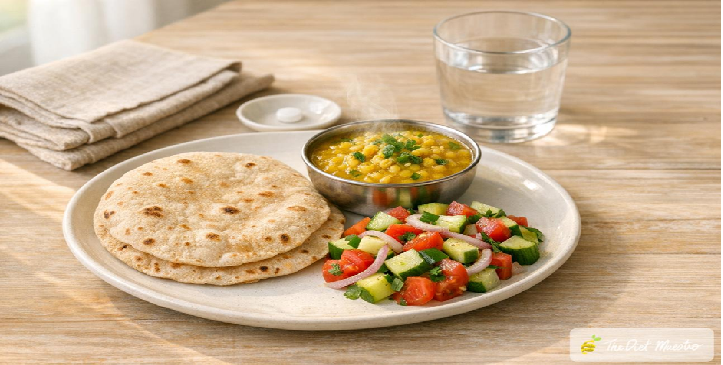
A balanced meal can include vegetables, a suitable carbohydrate source, protein, and some healthy fat. For example, a home-style meal might include roti or rice, dal, vegetables, and curd if dairy is tolerated.

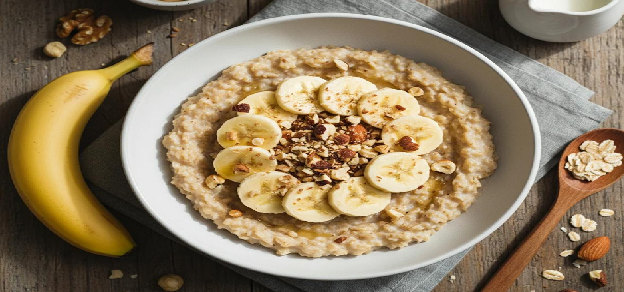
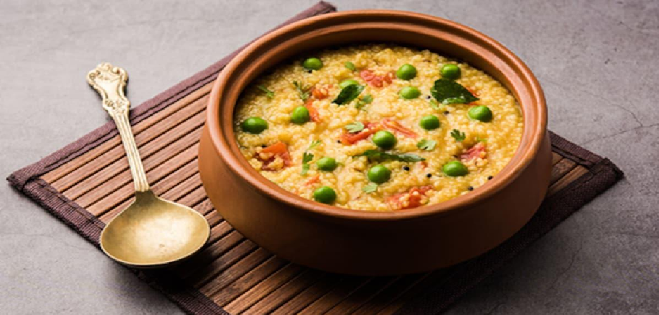
Other options may include vegetable khichdi, oats with fruit, or a meal with rice, pulses, and cooked vegetables. The right combination depends on individual preferences, nutritional needs, food tolerance, and any medical advice already received.

Understand the role of protein

Protein supports the maintenance and repair of body tissues and forms part of a balanced diet. Sources may include pulses, beans, dairy products, eggs, fish, poultry, tofu, or other foods according to personal preferences.

Protein powders and supplements are not necessary for everyone. Their suitability depends on individual dietary needs, health conditions, allergies, and medication use. Seek professional advice before using supplements to manage digestive symptoms.

Stay adequately hydrated

Water supports normal body functions and can be especially relevant when increasing fibre intake. Fluid needs vary with activity, climate, age, health status, and other factors.

Keep water accessible during the day and drink regularly according to your needs. People who have been advised to restrict fluids because of a medical condition should follow their healthcare professional's instructions.

Different Lifestyles

Digestive Health Support for Different Lifestyles

Digestive wellness is not limited to one age group or type of routine. Practical food and lifestyle habits can be adapted to different daily schedules.

01

Working professionals

Long working hours, commuting, and irregular breaks can make meal planning difficult. Preparing lunch in advance, keeping water available, and choosing balanced snacks can make everyday eating more consistent.

Professionals in Pune's offices and business areas may find it useful to plan meals around their work schedule rather than routinely skipping meals and compensating with large portions later.

02

Students and young adults

Study schedules, examinations, late nights, and frequent convenience foods can affect eating routines. Regular access to balanced meals, adequate hydration, and sufficient sleep can support general well-being.

Students should avoid extreme diets, unnecessary supplements, or online “detox” plans that promise rapid results.

03

Families

Family meals can provide an opportunity to introduce a variety of vegetables, fruits, whole grains, and suitable protein sources. Encourage children to develop a positive relationship with food without labelling foods as universally “good” or “bad.”

Children with persistent abdominal pain, ongoing diarrhoea or constipation, poor growth, or unexplained weight changes should be assessed by a paediatric healthcare professional.

04

Older adults

Nutritional needs and digestive routines may change with age. Medication use, dental concerns, mobility, hydration, and underlying health conditions can all influence food choices.

Older adults experiencing persistent symptoms or difficulty eating should seek appropriate professional assessment before making major dietary changes.

Digestive Health Support Areas

Digestive Health Support in Pune and Across Maharashtra

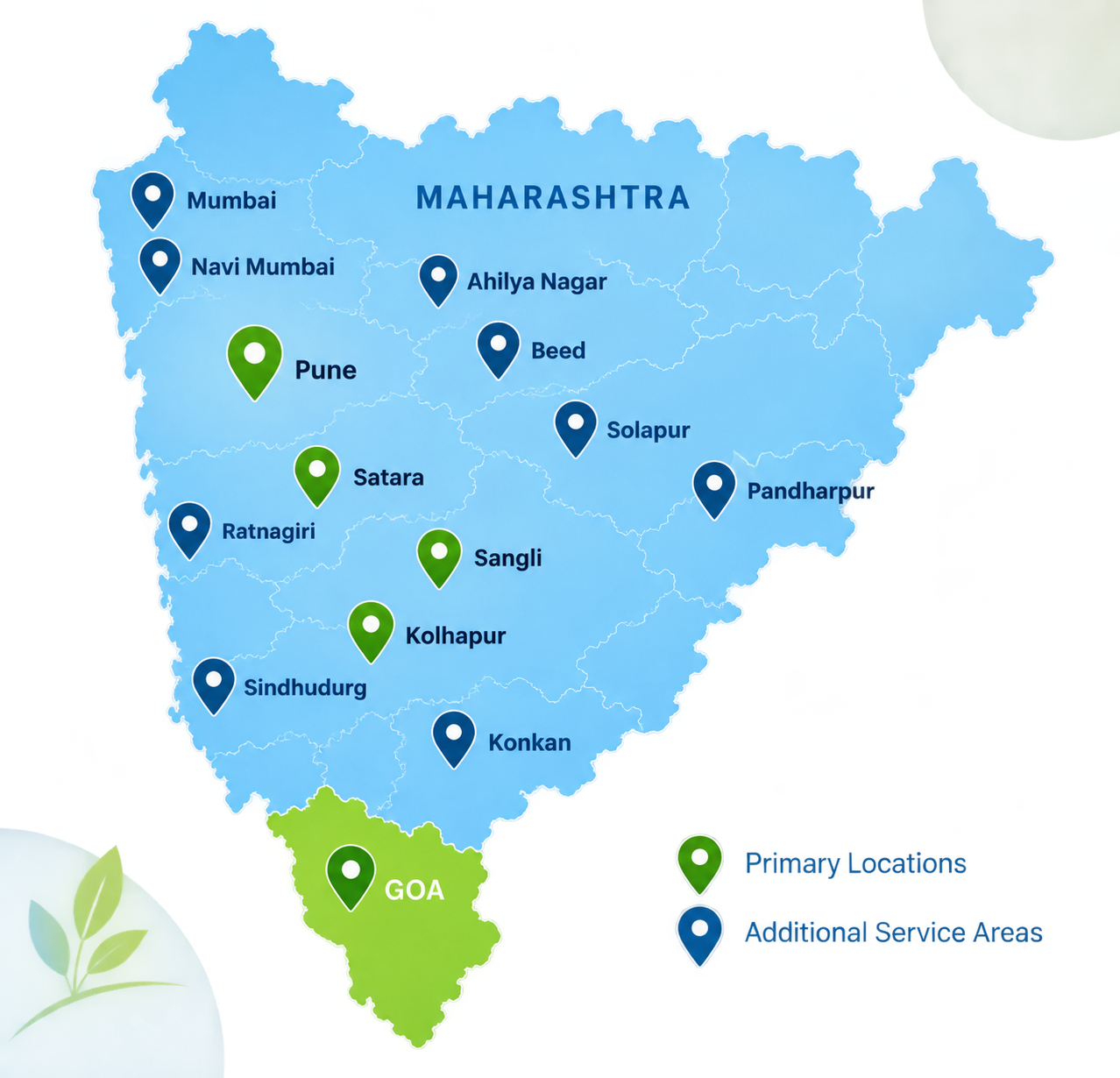
Finding practical wellness guidance close to home can make it easier to maintain healthy habits. Shri Samarth Wellness & Fitness Centre's service page is intended for people seeking general digestive wellness and nutrition information in Pune, Kolhapur, Sangli, and Satara, as well as other areas across Maharashtra.

People in Mumbai, Navi Mumbai, Solapur, Ratnagiri, Pandharpur, Beed, Ahilya Nagar, Sindhudurg, the Konkan region, and Goa may contact the centre to confirm whether suitable support is available for their location.

Localised support should be based on genuine service availability. Please confirm the centre's current consultation arrangements, contact details, and service options before travelling or making an appointment.

Process Work?

How Does Our Diet Management Process Work?

Along with food choices, simple routines can help support digestive health. The most useful changes are usually realistic ones that can be maintained over time.

Eat at a comfortable pace

Eating slowly and chewing food thoroughly can help you pay attention to fullness and may reduce swallowed air. Try to avoid rushing through meals while working, driving, or using your phone.

Build a consistent eating routine

A regular meal routine can make balanced eating easier. If skipping meals leads you to feel excessively hungry later, plan meals and snacks that suit your schedule. There is no universal meal-timing rule for everyone, so consider your individual needs.

Include movement in your day

Walking, cycling, stretching, and other suitable physical activities support general health. Regular movement may also help some people who experience constipation or bloating. Choose activities appropriate for your fitness level and medical circumstances.

Notice your personal food patterns

Not everyone responds to foods in the same way. Some people notice discomfort after particular dairy products, fizzy drinks, or certain high-fibre foods, while others tolerate them well.

A simple diary can record:

  • What you ate and drank.
  • Approximate meal times.
  • Any digestive symptoms and when they occurred.
  • Sleep, activity, and relevant changes in routine.

This record may help you discuss patterns with a healthcare professional. Avoid using it to create an unnecessarily restrictive diet or to self-diagnose a condition.

Make changes gradually

Adding more fibre, changing portion sizes, or altering your meal routine all at once can make it difficult to identify what helps. Gradual changes are often easier to assess and maintain. For people with persistent symptoms or diagnosed digestive conditions, dietary changes should be guided by an appropriate professional.

Who May Benefit

Who May Benefit from General Digestive Wellness Guidance?

General nutrition and lifestyle guidance may be useful for adults who want to:

Build more balanced and consistent eating habits. Understand common sources of dietary fibre. Improve hydration habits. Plan meals around work, study, or family commitments. Make sense of their food choices and everyday routines. Learn when persistent digestive symptoms need medical assessment.

This service is not a substitute for a gastroenterologist, physician, registered dietitian, or other qualified healthcare professional when medical care is needed.

Seek Medical Advice

When Should You Seek Medical Advice?

Do not assume that ongoing digestive symptoms can be solved through food changes alone. Arrange medical assessment if you have persistent or recurring bloating, unexplained weight loss, blood in your stool, a sudden change in bowel habits, or continuing abdominal discomfort.

Seek urgent medical care for severe or sudden abdominal pain, vomiting blood, or other serious or rapidly worsening symptoms. If you are experiencing severe symptoms, do not delay care while trying a wellness programme.

People who are pregnant or breastfeeding, children with ongoing symptoms, older adults with new digestive concerns, and anyone with a diagnosed digestive condition, food allergy, or prescribed dietary restriction should seek appropriate professional advice before making significant dietary changes.

Food & Hydration Strategies

Daily Food and Hydration Strategies for Digestive Wellness

Supporting digestive wellness does not require an expensive diet, complicated meal schedule, or a collection of supplements. For many people, a practical starting point is to build balanced meals, drink enough fluids, include suitable fibre-rich foods, and maintain habits that fit their everyday routine.

At Shri Samarth Wellness & Fitness Centre, digestive wellness content should encourage realistic, sustainable choices while recognising that food tolerance and nutritional requirements vary from person to person.

Include fibre-rich foods throughout the day

Dietary fibre is found in plant foods such as fruits, vegetables, pulses, whole grains, nuts, and seeds. It contributes to a balanced diet and can help support normal bowel function.

You can introduce a variety of foods into your routine:

  • Breakfast: Oats, whole-wheat toast, or another whole-grain option with fruit.
  • Lunch: Roti or rice with dal, cooked vegetables, and another suitable protein source.
  • Evening snack: A piece of fruit, a small portion of nuts, or another balanced snack.
  • Dinner: A meal with vegetables, pulses, and a suitable grain or other carbohydrate source.

Increase fibre gradually rather than suddenly making large changes. Some people experience gas or bloating when their fibre intake rises quickly. If you have a digestive condition or have been advised to follow a specific diet, ask a qualified healthcare professional which foods are suitable for you.

Develop a comfortable hydration routine

Water is important for normal body functions. Adequate fluid intake can also help fibre work effectively in the digestive system.

Practical habits include:

  • Keeping a reusable water bottle nearby.
  • Drinking water regularly throughout the day.
  • Having water available with meals.
  • Drinking additional fluids when appropriate for your activity and environment.
  • Paying attention to your individual needs rather than following an arbitrary online target.

Fluid requirements vary. People with kidney, heart, or other medical conditions who have been instructed to restrict fluids should follow their healthcare professional's advice.

Choose a variety of foods

A balanced diet is about the overall pattern of eating rather than relying on a single food. Include different vegetables, fruits, grains, and protein sources according to your preferences, budget, cultural food habits, and tolerance.

Traditional home-style meals can be part of a balanced routine. Dal, vegetables, roti, rice, pulses, and suitable dairy or non-dairy alternatives can all contribute nutrients. No one food guarantees better digestion, and foods that suit one person may cause discomfort for another.

Be mindful of highly restrictive diets and detox products

Online advice may promote juice cleanses, detox drinks, fasting routines, or supplements as ways to “clean” the digestive system. These claims should be approached cautiously.

Your body already has organs, including the liver and kidneys, that perform essential processing and waste-removal functions. A restrictive cleanse is not necessary for general digestive wellness and may leave you short of important nutrients.

Before taking a digestive supplement, herbal product, probiotic, or fibre supplement, check whether it is appropriate for your individual circumstances. Supplements can have side effects or interact with medicines.

Meal-Planning Example

A Practical One-Day Meal-Planning Example

The following example illustrates how a person might organise a varied, home-style eating routine. It is general information, not a personalised diet prescription. Portion sizes and food choices should be adjusted to individual energy needs, preferences, allergies, food tolerance, and medical advice.

i] Breakfast - Oats or another whole-grain option with fruit. Choose an alternative breakfast that suits your appetite and food tolerance if needed.

ii] Lunch - Roti or rice, dal or another protein source, and cooked vegetables. Add other foods according to your nutritional needs and preferences.

iii] Afternoon snack - Seasonal fruit, a small portion of nuts, or another convenient snack that works for you.

iv] Dinner - A balanced meal such as khichdi with suitable vegetables, or another meal containing grains, protein, and vegetables.

iv] Throughout the day - Drink fluids regularly according to your needs and any medical advice you have received.

There is no requirement to follow these exact meals or timings. If particular foods trigger symptoms, or if you have a diagnosed digestive condition, a qualified professional can help you determine suitable alternatives.

Better Eating Habits

How to Build Better Eating Habits With a Busy Schedule

A digestive wellness routine should fit your life rather than create additional stress.

[a] For office workers: Plan lunch before the working day begins, keep water accessible, and make time for a meal break where possible.

[b] For students: Keep convenient, balanced food options available during study periods. Avoid relying exclusively on packaged snacks or skipping meals because of examinations.

[c] For families: Prepare meals using familiar ingredients, introduce variety gradually, and encourage children to listen to their hunger and fullness cues.

[d] For people who travel frequently: Carry water when practical and plan accessible meals or snacks that suit your needs.

[e] For people working shifts: Choose a meal routine that fits the shift pattern and allows enough time for sleep and recovery. If night shifts regularly affect eating or symptoms, seek individual guidance.

Small changes that can be maintained consistently are generally more useful than strict routines that are difficult to follow.

How to Choose

How to Choose Appropriate Digestive Wellness Support

Not every digestive concern needs the same approach. When selecting a wellness service, look for practical nutrition education, clear communication, realistic recommendations, and respect for your individual needs.

Consider these points before choosing a programme:

1. Understand the service scope. Confirm whether the service provides general nutrition guidance, personalised meal planning, or another type of support.

2. Ask about qualifications. Check the education, relevant credentials, and professional scope of the person providing nutrition guidance.

3. Share relevant information. Discuss food preferences, allergies, dietary restrictions, current medications, and any diagnosed health conditions where appropriate.

4. Avoid unrealistic promises. Be cautious of claims that a programme can cure digestive disorders, guarantee results, or replace medical treatment.

5. Look for sustainable recommendations. A practical approach should consider your routine, budget, food culture, and ability to maintain changes.

6. Know when medical care is needed. Persistent or unexplained symptoms should be assessed by a qualified healthcare professional.

Why Consider

Why Consider Shri Samarth Wellness & Fitness Centre?

Shri Samarth Wellness & Fitness Centre provides a website resource for people exploring general wellness and nutrition support. If you are considering the Digestive Health Support service, contact the centre to confirm the current service scope, consultation arrangements, and whether the available guidance matches your needs.

A useful wellness conversation may cover:

  • Your usual meal routine and food preferences.
  • Everyday hydration habits.
  • Ways to include a wider variety of suitable foods.
  • Practical meal planning around work, study, and family commitments.
  • Questions to discuss with a qualified healthcare professional when symptoms need further assessment.

The centre should clearly explain the qualifications of the person providing the service, any fees, and what is included before you make a decision. Do not delay medical assessment for persistent symptoms in favour of a general wellness programme.

Digestive Health Support Areas

Digestive Health Support in Pune, Kolhapur, Sangli and Satara

People searching online for digestive health support in Pune may be looking for help with balanced eating, meal planning, hydration, and everyday wellness habits. These subjects can be relevant to people with busy work schedules, students, and families who want to develop more consistent food routines.

Shri Samarth Wellness & Fitness Centre's website can also provide information for people in:

  • Pune: General nutrition and digestive wellness information for residents and working professionals.
  • Kolhapur: Everyday meal planning and balanced eating habits.
  • Sangli: Nutrition awareness and practical food choices.
  • Satara: Sustainable eating and hydration routines.
  • Mumbai and Navi Mumbai: Information for people checking the centre's service availability.
  • Solapur, Ratnagiri, Pandharpur, Beed and Ahilya Nagar: General wellness information and enquiries about available support.
  • Sindhudurg and the Konkan region: Nutrition and healthy lifestyle information.
  • Goa: Enquiries about whether the centre can provide support for the user's location.

These are intended service-area references, not confirmation that a physical branch or in-person consultation is available in every location. Please contact the centre to verify current availability.

Frequently Asked Questions

Frequently Asked Questions About Digestive Health Support

01

Digestive Health Support focuses on general nutrition education and lifestyle habits, such as balanced eating, suitable fibre intake, hydration, and practical meal planning. It does not diagnose or treat digestive diseases.

03

Adequate fluid intake can help support normal bowel function, particularly when a person is increasing dietary fibre. However, constipation can have multiple causes. Persistent symptoms should be discussed with a healthcare professional.

05

No. Probiotics are not essential for every person, and their usefulness varies depending on the product and the health concern. Ask a qualified healthcare professional before taking probiotic supplements, particularly if you have an underlying condition or a weakened immune system.

07

Balanced nutrition and sustainable eating habits can form part of a broader weight-management approach. However, this service should not promise weight loss or weight gain, and unexplained weight changes should be medically assessed.

09

Children have age-specific nutritional needs. General family nutrition education may be useful, but persistent abdominal pain, ongoing bowel problems, poor growth, or unexplained weight changes should be assessed by a paediatric healthcare professional.

11

You can use the Contact Us page to enquire about the service and confirm its availability. The centre's current contact information and consultation options should be verified before booking.

02

A varied diet that includes suitable vegetables, fruits, whole grains, pulses, and other appropriate protein sources can support general nutrition. The best choices depend on personal tolerance, nutritional needs, and medical circumstances.

04

Not necessarily without considering the cause. Increasing fibre gradually may help some people, while certain foods or types of fibre can worsen symptoms in others. If bloating is frequent or persistent, seek medical advice before making major dietary changes.

06

No universal rule requires everyone to avoid spicy foods. If you notice that a particular food repeatedly triggers discomfort or heartburn, discuss the pattern with an appropriate professional and consider suitable alternatives.

08

No special detox drink is required for general digestive wellness. Focus on balanced meals, adequate fluids, and sustainable daily habits. Be cautious of products that promise to cleanse the digestive system or cure medical conditions.

10

You should consult your treating healthcare professional before making significant dietary changes if you have a diagnosed digestive condition, food allergy, kidney or heart condition, or prescribed dietary restrictions. General wellness guidance does not replace medical care.

12

The website can serve people researching digestive wellness in Pune and other target areas, including Kolhapur, Sangli, Satara, and Goa. Whether a consultation or service is available in a particular location must be confirmed directly with the centre.

Wellness and Safety

Responsible Wellness and Safety Guidance

Digestive symptoms can have many causes, and a nutrition or lifestyle programme cannot establish a medical diagnosis.

Please seek medical advice for recurring or persistent digestive discomfort, ongoing diarrhoea or constipation, difficulty swallowing, or unexplained changes in bowel habits. Blood in the stool, vomiting blood, severe abdominal pain, or other serious or rapidly worsening symptoms require prompt medical assessment.

Do not stop prescribed medication, eliminate multiple food groups, or begin supplements solely on the basis of online advice. People who are pregnant or breastfeeding, children, older adults with new symptoms, and individuals with existing medical conditions should obtain appropriate professional guidance.

The information on this page is for general educational purposes and is not a substitute for personalised medical advice, diagnosis, or treatment.

Related Services

Explore Related Wellness Services

Visitors interested in broader nutrition and lifestyle support may also explore these pages:

Contact Now