Eye Health Support

About Eye Health Support Service

Eye Health Support

Eye Health Support in Pune, Maharashtra & Goa

Your eyes play an important role in almost everything you do, from reading and studying to working on a computer, driving, cooking and enjoying time with family. Looking after your eyes involves more than choosing the right spectacles. Healthy everyday habits, balanced nutrition, appropriate lighting, screen breaks and regular eye examinations all contribute to a responsible approach to eye wellness.

At Shri Samarth Wellness & Fitness Centre, people interested in general wellness can explore how nutrition and lifestyle habits fit into a broader approach to well-being. For anyone searching online for eye health support in Pune, the first step is understanding which everyday habits may support eye health and when professional eye care is necessary.

Eye wellness is a shared responsibility. Nutritious food and sensible screen habits can support general health, but they cannot diagnose or cure eye conditions. An optometrist or ophthalmologist can assess vision concerns, recommend appropriate examinations and identify conditions that require treatment.

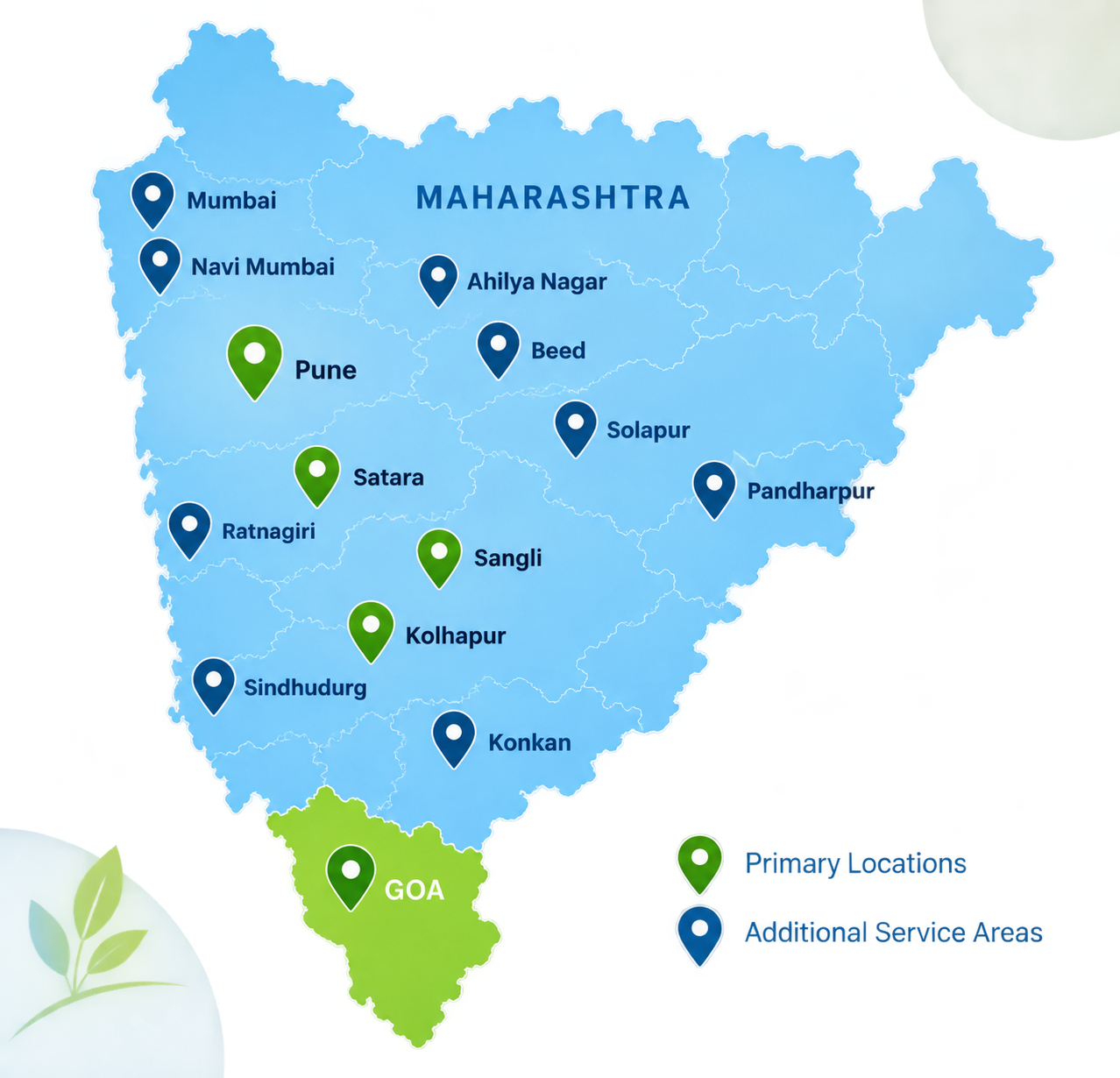
Whether you live in Pune, Kolhapur, Sangli, Satara or elsewhere in Maharashtra, understanding basic eye-care habits can help you make informed decisions. People in Goa and other nearby regions can also enquire about the centre's actual service availability.

Shri Samarth Wellness & Fitness Centre Shri Samarth Wellness & Fitness Centre
Eye Health Support

What Is Eye Health Support?

Eye health support refers to general practices and wellness guidance that may help people maintain healthy habits associated with vision and eye comfort. Depending on the provider's actual services, this may include nutrition awareness, hydration, balanced eating, healthy screen-use routines and education about preventive eye care.

It is important to distinguish general eye wellness from clinical eye care.

General wellness guidance may help you understand how a balanced diet and daily routine contribute to overall health. An optometrist can assess vision and determine whether corrective lenses or further evaluation are appropriate. An ophthalmologist is a medical doctor specialising in eye care who can diagnose and treat eye diseases and perform eye surgery.

For example, someone who spends eight hours a day working on a laptop may want to improve their screen habits and meal routine. Someone experiencing blurred vision, eye pain or sudden changes in sight needs professional eye assessment rather than relying on nutrition advice alone.

The purpose of responsible eye health support is to help people make informed choices while recognising the limits of non-clinical wellness services.

Importance

Why Is Everyday Eye Care Important?

Modern routines can place considerable demands on our eyes. Students read books and use digital devices, office workers spend hours looking at screens, and older adults may notice changes in their vision as they age.

Everyday habits matter because they influence the conditions in which we use our eyes and contribute to our general health.

1. Screen Use and Digital Eye Discomfort

Long periods of computer or mobile use may contribute to symptoms such as tired eyes, dryness, headaches or temporary difficulty focusing. People often blink less frequently when concentrating on screens, which can worsen feelings of dryness or irritation.

Practical habits may include:

  • Taking regular breaks from close-up screen work.
  • Looking away from the screen periodically and focusing on a distant object.
  • Adjusting screen brightness and text size for comfort.
  • Keeping the screen at a comfortable distance.
  • Using suitable lighting and reducing distracting glare.
  • Remembering to blink naturally and fully.

These measures may improve comfort for some people, but they do not correct refractive errors or rule out an underlying eye condition. Persistent discomfort or changes in vision should be assessed by an eye-care professional.

2. Reading and Studying

Students and people who read frequently can benefit from comfortable lighting, a suitable reading distance and regular breaks. Holding reading material at a comfortable distance and avoiding prolonged reading in awkward positions may also help reduce discomfort.

Children who squint, sit unusually close to a screen, struggle to read the classroom board or frequently complain of headaches may need a professional vision assessment. Parents should not assume that these signs are simply due to tiredness or excessive screen use.

3. Outdoor Activities and Sun Protection

Outdoor activities support an active lifestyle, but eye protection matters when exposure to bright sunlight is significant. Sunglasses that provide verified UVA and UVB protection can help protect the eyes from ultraviolet radiation. A broad-brimmed hat can provide additional protection.

Never look directly at the sun, including during an eclipse, without appropriate certified solar viewing equipment. Ordinary sunglasses are not safe for direct solar viewing.

4. Ageing and Changes in Vision

Vision needs can change throughout life. Children may require vision screening, adults may need updated prescriptions, and older adults may require examinations to check for age-related eye conditions.

Conditions such as cataracts, glaucoma and age-related macular degeneration require appropriate clinical evaluation. Healthy eating and lifestyle habits do not replace eye examinations, prescribed treatment or surgery when these are needed.

What You Eat

Nutrition and Eye Wellness: What Should You Eat?

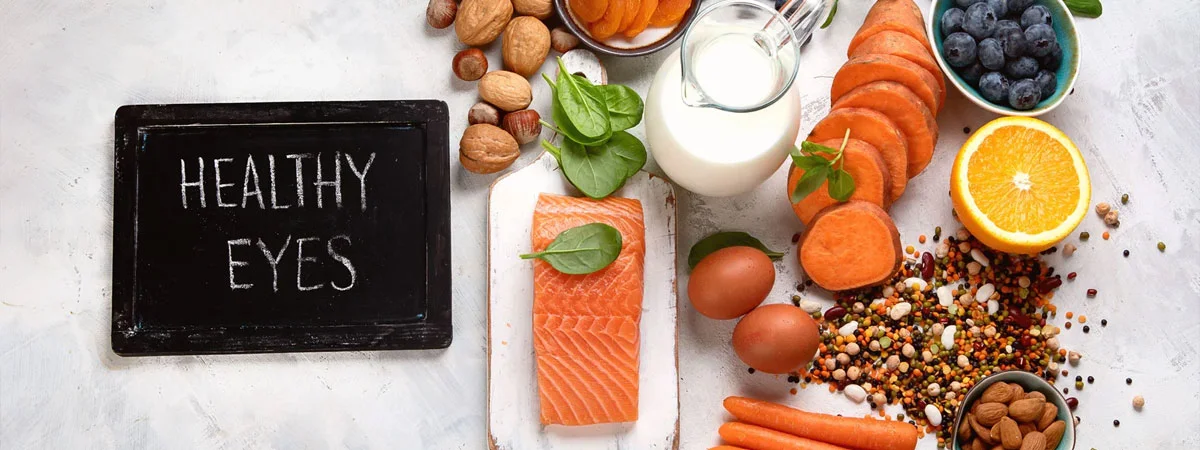
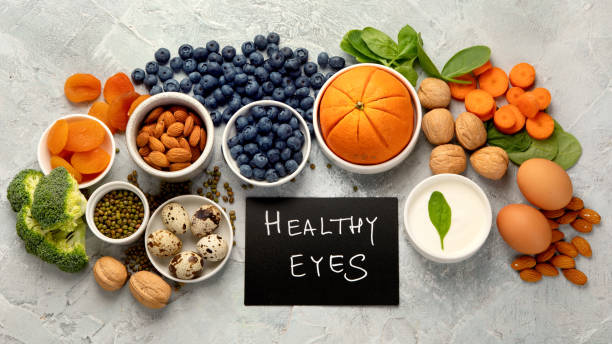
A varied, balanced diet supports general health, including the normal functioning of the eyes. No single food can guarantee perfect eyesight, and eating particular foods does not eliminate the need for an eye examination.

The goal is to build an eating pattern that includes a range of vegetables, fruits, protein sources, whole grains and healthy fats.

Vitamin A and Its Food Sources

Vitamin A is essential for normal vision, including the ability to see in low light. It also supports the normal function of the surface tissues of the eyes.

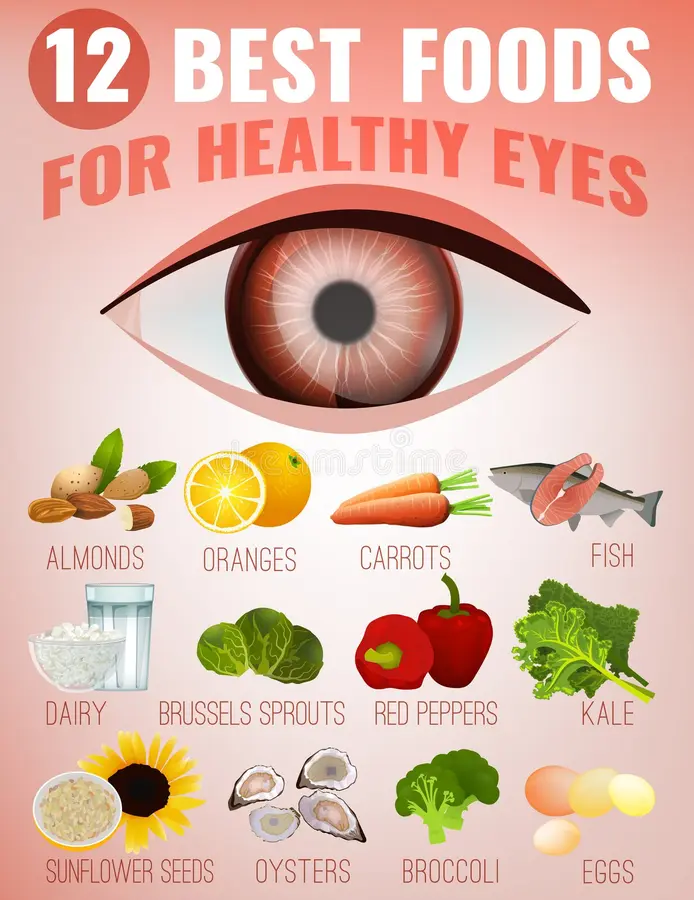
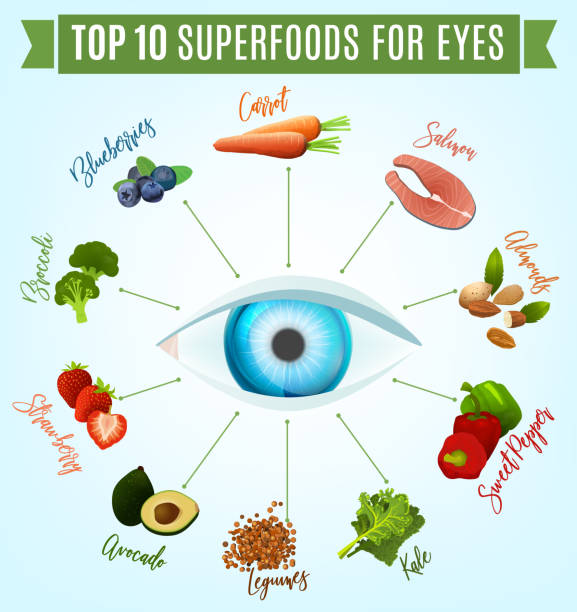
Food sources include carrots, sweet potatoes, pumpkin, dark green leafy vegetables, eggs and dairy products. Orange and dark green vegetables contain carotenoids that the body can use in different ways, including converting some of them into vitamin A.

However, eating extra carrots does not correct short-sightedness, long-sightedness or other refractive errors. A balanced diet is helpful, but a diagnosed deficiency or eye condition may require professional care.

Lutein and Zeaxanthin

Lutein and zeaxanthin are carotenoids found in the retina. They are present in foods such as spinach, other leafy greens, broccoli, peas and eggs.

Including a variety of vegetables in your regular meals is a practical way to obtain these nutrients. The presence of these nutrients in food should not be interpreted as a promise that a particular diet will prevent or treat an eye disease.

Vitamin C and Vitamin E

Vitamin C and vitamin E contribute to normal body functions, including antioxidant activity. Food sources of vitamin C include guava, oranges, amla, tomatoes and capsicum. Sources of vitamin E include nuts, seeds and certain vegetable oils.

Rather than relying on a single so-called superfood, aim for variety across your meals. People with restricted diets or particular medical needs should seek personalised advice if they are concerned about nutritional deficiencies.

Omega-3 Fatty Acids

Omega-3 fatty acids are found in oily fish and some plant foods, including flaxseeds, chia seeds and walnuts. They are part of a balanced dietary pattern and have roles in normal body function.

Do not assume that taking fish oil or another omega-3 supplement will treat dry eyes or improve vision. Supplement benefits vary by circumstance, and anyone considering supplements should discuss their suitability with a qualified healthcare professional when needed.

Zinc and Other Essential Nutrients

Zinc supports several normal body processes and is involved in functions relevant to vision. Sources include legumes, dairy products, nuts, seeds, whole grains, eggs and meat.

Other vitamins and minerals also contribute to general health. The best approach for most people is to obtain nutrients through a varied diet wherever possible, rather than taking high-dose supplements without a clear reason.

Hydration and Eye Comfort

Drinking enough fluids helps maintain normal body functions. However, drinking excessive amounts of water will not correct a vision problem or treat an eye disease.

Fluid needs differ according to activity, weather and health status. If a healthcare professional has advised you to restrict fluids, follow that advice rather than applying a general hydration recommendation.

Different Age Groups

Eye Wellness for Different Age Groups

Eye-care needs differ depending on age, daily activities, family history and existing health conditions. A practical approach should account for these differences.

01

Eye Wellness for Children and Students

Children use their eyes for reading, writing, classroom learning, outdoor play and digital activities. Parents can support healthy routines by encouraging regular outdoor play, comfortable reading conditions and reasonable screen habits.

Watch for signs that a child may need an eye examination, such as:

  • Squinting or frequently closing one eye.
  • Sitting unusually close to the television or holding books very close.
  • Difficulty seeing the board at school.
  • Frequent headaches associated with reading.
  • Complaints of blurred vision or difficulty focusing.

These signs do not establish a diagnosis. A qualified eye-care professional can determine whether an examination or treatment is needed.

02

Eye Wellness for Working Professionals

People working in offices, shops, call centres, design studios and other screen-heavy environments may experience visual discomfort during long working hours.

Useful habits include adjusting the screen to a comfortable height, increasing text size when necessary, taking regular visual breaks and using adequate lighting. People who wear contact lenses should follow appropriate hygiene and wearing instructions.

If eye discomfort keeps returning, or if headaches and blurred vision persist, arrange a professional assessment rather than repeatedly changing screen settings or relying on eye drops without advice.

03

Eye Wellness for Older Adults

As people age, changes in near vision become common, and the likelihood of certain eye conditions increases. Regular examinations can help identify issues that may not cause obvious symptoms in the early stages.

Older adults should discuss appropriate examination intervals with an optometrist or ophthalmologist, particularly if they have diabetes, high blood pressure, a family history of eye disease or a previous eye condition.

04

Eye Wellness for People with Diabetes

Diabetes can affect the eyes, sometimes before noticeable vision changes occur. People with diabetes should follow their clinician's recommendations for retinal screening and other eye examinations.

A healthy diet and routine management of blood glucose and other risk factors can form part of overall diabetes care. They do not replace recommended retinal assessments or prescribed treatment.

Eye-Care Routine

Building a Practical Daily Eye-Care Routine

You do not need a complicated programme to begin improving everyday eye-care habits. Consistency is more useful than following unverified online remedies.

A practical routine may include:

  • Morning: Follow your usual hygiene routine and use any prescribed eye medication as directed.
  • During work or study: Take regular breaks from prolonged close-up screen use and adjust the screen for comfort.
  • At meals: Include vegetables, fruit and suitable protein sources as part of a balanced diet.
  • When outdoors: Use appropriate UV-protective sunglasses and a hat when needed.
  • In the evening: Avoid working in uncomfortable lighting and give yourself breaks from prolonged screen use.
  • At regular intervals: Attend eye examinations according to professional advice and update corrective lenses when recommended.

Avoid using someone else's eye drops or unverified home remedies. Do not put lemon juice, honey, herbal preparations or other household substances into the eyes. Such products can cause irritation, injury or infection.

Eye Health Support Areas

Eye Health Support in Pune and Across Maharashtra

People searching for eye health support in Pune may be looking for information about nutrition, screen-related comfort, healthy daily habits or preventive care. The right source of help depends on the concern: general wellness guidance may help with lifestyle habits, while vision changes and eye symptoms require assessment by an eye-care professional.

Residents of Pune, Kolhapur, Sangli and Satara can enquire with Shri Samarth Wellness & Fitness Centre about its currently available wellness services and whether they are appropriate for their needs.

Enquiries may also come from Mumbai, Navi Mumbai, Solapur, Ratnagiri, Pandharpur, Beed, Ahilya Nagar, Sindhudurg, the Konkan region and Goa. Availability and consultation arrangements should be confirmed directly. Mentioning a location on this page does not mean that the centre operates a physical branch there.

The aim of this service page is to provide useful, trustworthy information while helping visitors distinguish general wellness education from clinical eye care.

Simple Food Choices

Simple Food Choices for Everyday Eye Wellness

A balanced eating pattern can be built from familiar foods available in Pune and across Maharashtra. Expensive ingredients or special products are not essential for everyone.

Consider including the following options in your regular meals:

  • Vegetables: Spinach and other leafy vegetables, carrots, pumpkin, broccoli, peas and capsicum.
  • Fruits: Guava, oranges, amla, papaya, mangoes in season and other fruits you enjoy.
  • Protein sources: Dal, chickpeas, beans, eggs, dairy, paneer, fish, chicken or suitable plant-based alternatives.
  • Nuts and seeds: A reasonable portion of nuts or seeds, if appropriate for your dietary needs.
  • Whole grains: Whole-wheat chapati, oats, millets and other grains suited to your routine.

Example of a Balanced Day of Eating

Meal Illustrative option
Breakfast Vegetable poha with peanuts, or oats with milk and fruit
Mid-morning Guava, orange or another seasonal fruit
Lunch Chapati or rice, dal, a vegetable dish and curd if suitable
Evening snack Roasted chana or a small portion of nuts
Dinner Vegetables with dal, paneer, eggs, fish or another suitable protein source

This is an example for general education, not a personalised diet prescription. Portion sizes and food choices should reflect individual needs, allergies, culture, budget and health conditions.

If you have diabetes, kidney disease, food allergies or a diagnosed nutritional deficiency, ask a qualified professional for advice appropriate to your circumstances.

Eye Health Supplements

Do Eye Health Supplements Improve Vision?

Eye-health supplements are frequently marketed online, but they are not necessary for everyone and do not provide a universal solution for vision problems.

Some specific nutritional formulations may be recommended by an eye specialist for particular conditions or circumstances. The suitability of a supplement depends on the diagnosis, nutritional status, other medicines and potential risks.

Keep these points in mind:

Supplements do not correct the need for spectacles or contact lenses. High doses of some vitamins and minerals can be harmful. Supplements should not replace prescribed eye medication or recommended treatment. People who are pregnant, take regular medication or have existing medical conditions should seek appropriate professional advice before using supplements. Claims that a product can restore eyesight, reverse cataracts or cure glaucoma should be treated with caution.

If you have blurred vision, eye pain, redness, persistent dryness or another eye concern, consult an appropriate eye-care professional instead of trying to treat the problem with supplements alone.

How to Choose

How to Choose Appropriate Eye Wellness Support

Before choosing a wellness service, identify what you want help with. Are you looking to improve your daily eating habits, understand general nutrition, manage a screen-heavy routine or obtain an eye examination? Each goal may require a different type of professional.

For General Nutrition and Lifestyle Guidance

Look for clear information about the service offered, the qualifications of the person providing guidance and the limits of the programme. A responsible provider should not promise to cure eye diseases through food, supplements or lifestyle changes.

For Vision Changes and Eye Symptoms

Consult an optometrist or ophthalmologist for appropriate assessment. This is particularly important for persistent blurred vision, unexplained eye discomfort, new visual disturbances or symptoms that interfere with daily activities.

For Existing Eye Conditions

Follow the treatment and monitoring plan recommended by your treating clinician. Nutrition and lifestyle habits may complement general health management, but they should not replace clinical follow-up.

For Children

Choose age-appropriate professional eye care if a child has difficulty seeing, complains of headaches while reading or shows changes in visual behaviour. Avoid relying on online exercises or dietary products as a substitute for an examination.

Why Consider

Why Consider Shri Samarth Wellness & Fitness Centre?

Shri Samarth Wellness & Fitness Centre may be a point of enquiry for people seeking general wellness and nutrition-related guidance, subject to the centre's confirmed services and staff qualifications.

When enquiring, consider asking:

Does the centre currently offer nutrition or lifestyle guidance relevant to my goals? What qualifications do the professionals providing the service hold? Is the support available in person or through another arrangement? What are the fees, consultation process and service limitations? Will I be referred to an appropriate healthcare professional if my concern requires clinical evaluation?

These questions help you understand whether the available service matches your needs. The centre should publish only verified details about its staff, facilities, location, services and availability.

For eye symptoms or changes in vision, seek assessment from an optometrist or ophthalmologist. General wellness support should not be presented as a substitute for eye examinations or medical treatment.

For details about available services, visit the Contact Us page.

Frequently Asked Questions

Frequently Asked Questions About Eye Health Support

01

Eye health support can include general education about nutrition, screen habits, sun protection and everyday routines that contribute to overall wellness. It is different from clinical eye care, which assesses vision and diagnoses or treats eye conditions.

03

Carrots contain beta-carotene, which the body can convert into vitamin A. Vitamin A is important for normal vision, but eating extra carrots will not correct refractive errors or restore vision affected by an eye disease.

05

No. Nutrition is not a cure for cataracts, glaucoma or other eye diseases. These conditions require appropriate clinical assessment and management by an eye-care professional.

07

The appropriate interval depends on age, symptoms, medical history, family history, previous eye conditions and other risk factors. Ask an optometrist or ophthalmologist to recommend a schedule suited to you.

09

Diabetes can affect the eyes even when vision seems normal. Follow your healthcare professional's advice about retinal screening and eye examinations, and do not rely on diet or supplements instead of recommended clinical care.

11

Confirm the centre's current services directly. Do not assume that general wellness or nutrition guidance includes clinical eye examinations, diagnosis, prescription lenses or eye treatment.

13

Sudden vision loss or a sudden significant change in vision, severe eye pain, a chemical splash, a serious eye injury, or new flashes and floaters with a curtain-like shadow requires urgent medical assessment. Do not delay care while trying home remedies or dietary changes.

02

A varied diet containing leafy vegetables, carrots, fruit, whole grains, nuts, seeds and suitable protein sources can contribute to overall nutritional health. No single food guarantees good eyesight or treats an eye disease.

04

Regular breaks, comfortable screen positioning, suitable lighting and adjusted text size may help reduce discomfort associated with prolonged screen use. Persistent pain, dryness or blurred vision should be assessed by an eye-care professional.

06

Not for everyone. A balanced diet may meet many people's nutritional needs, while particular formulations may be recommended in specific circumstances by a clinician. Avoid high-dose supplements without appropriate guidance.

08

Arrange an appropriate eye examination. Squinting, sitting very close to screens, difficulty seeing the board or recurring headaches may indicate a need for assessment, although these signs do not establish a diagnosis.

10

Drinking an appropriate amount of water supports normal body functions, but extra water does not correct refractive errors or cure eye conditions. Follow medical advice if you have been instructed to limit fluids.

12

People in these locations can enquire about service availability and consultation arrangements. Confirm directly with the centre whether support is available in person, remotely or through another arrangement.

Safety Guidance

Important Eye-Care Safety Guidance

Eye symptoms should never be ignored simply because they seem mild at first. Some serious eye conditions can progress without obvious early symptoms, making appropriate examinations important.

Seek urgent assessment for:

  • Sudden loss or significant change of vision.
  • Severe eye pain, especially with redness or light sensitivity.
  • A chemical splash or penetrating eye injury.
  • New flashes, many new floaters or a shadow resembling a curtain across vision.
  • Sudden double vision or other sudden neurological symptoms.

For chemical exposure, begin flushing the eye immediately with clean running water and seek urgent medical care. Do not delay flushing to look for home remedies or special products.

Avoid using unprescribed eye drops, sharing contact lenses, placing household substances in the eyes or stopping prescribed treatment without professional advice.

The information on this page is for general education. It does not diagnose, prevent or treat eye disease and is not a substitute for personalised advice from a qualified healthcare professional.

Related Services

Explore Related Wellness Services

Contact Now