About Men's Health Support Service
Men's health involves more than physical fitness or muscle strength. Balanced nutrition, regular physical activity, adequate sleep, stress management, preventive healthcare, and sustainable daily habits all contribute to overall well-being. As men move through different stages of life, their nutritional needs, activity levels, and health priorities may change.
At Shri Samarth Wellness & Fitness Centre, Men's Health Support focuses on general nutrition awareness, balanced eating habits, lifestyle improvement, and practical wellness education. The goal is to help men make informed choices that fit their work schedules, family responsibilities, food preferences, and personal wellness goals.
Whether you are a working professional, a student, a fitness enthusiast, or someone who wants to establish healthier routines, a practical approach can help you make gradual, sustainable changes without relying on extreme diets or unrealistic fitness promises.
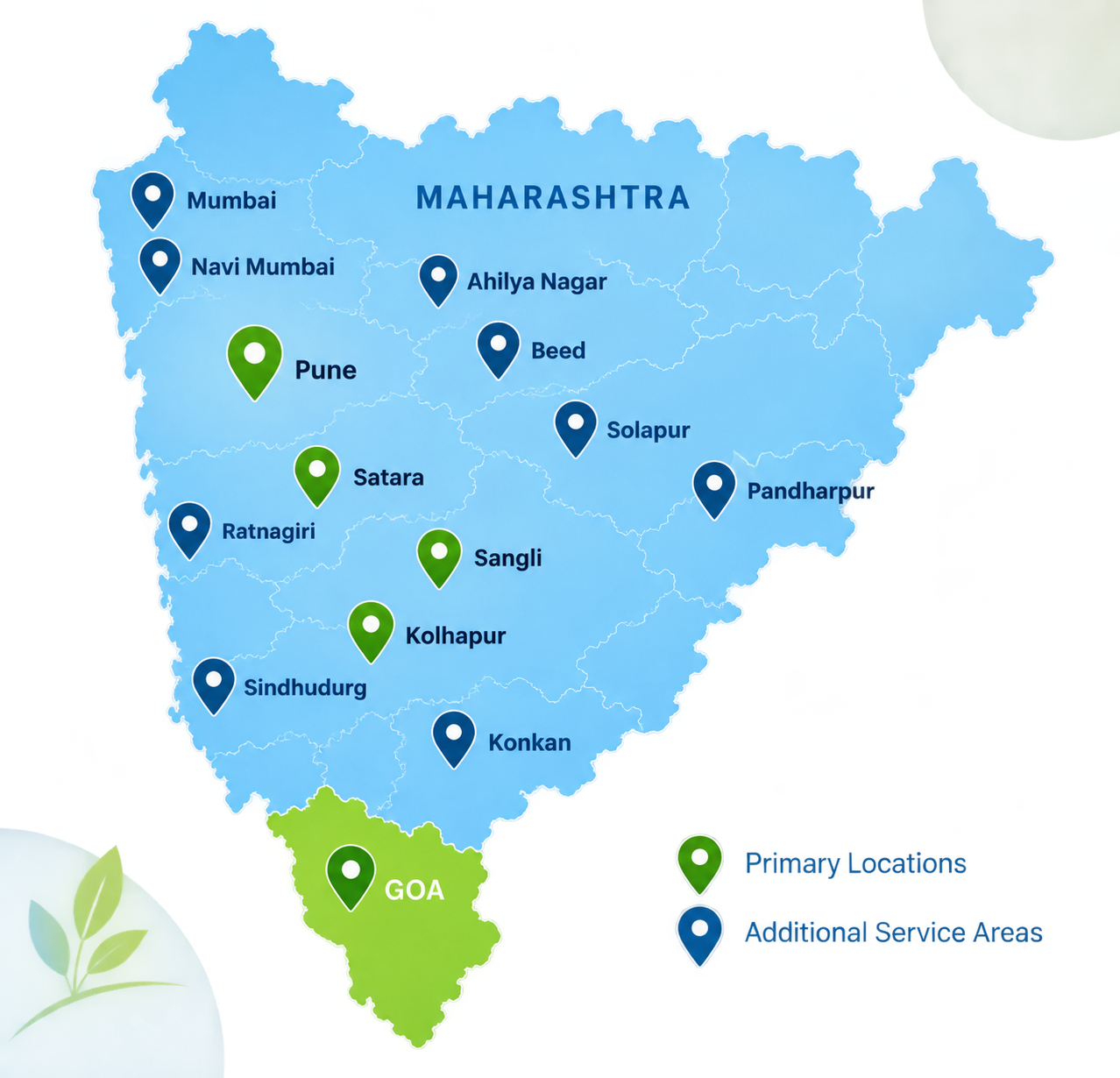
People searching for men's health support in Pune, Kolhapur, Sangli, Satara, and other parts of Maharashtra can explore the information on this page. Those in Goa and other locations can contact the centre to confirm whether suitable services or consultation options are available.
Men's Health Support is a general wellness approach that helps men understand the role of nutrition, physical activity, sleep, hydration, and everyday habits in maintaining overall health.
Depending on the service offered, support may include general nutrition education, balanced meal planning, healthier food choices, and practical guidance for developing sustainable routines.
Men's health is not limited to bodybuilding, weight management, or sports performance. It also includes heart health, bone strength, digestive wellness, mental well-being, healthy ageing, and preventive medical care.
Individual needs can vary according to age, activity level, occupation, food preferences, family history, existing medical conditions, and medication use. For this reason, a single diet or supplement routine cannot be expected to suit every man.
Men's Health Support at a wellness centre should complement appropriate healthcare. It does not replace assessment by a qualified doctor, registered dietitian, or other healthcare professional when medical evaluation or treatment is needed.
Everyday habits can influence many aspects of health. Developing a balanced routine can help men pay attention to nutrition, physical activity, recovery, and preventive care.
Long working hours, commuting, family responsibilities, and irregular meal schedules can make healthy routines difficult to maintain.
Eating a varied diet that provides sufficient energy and essential nutrients can support normal body functions and everyday activities. Regular meals, suitable hydration, and adequate rest may also make a routine easier to manage.
Persistent fatigue, however, should not automatically be blamed on a busy schedule or poor diet. It can have several causes and may require medical assessment.
Muscle strength supports daily activities, mobility, and physical independence. Protein, adequate overall nutrition, and suitable resistance exercise all contribute to maintaining muscle.
Men who exercise regularly may need to pay attention to their food intake and recovery, but more protein or more exercise is not always better. Individual needs depend on factors such as age, activity, training intensity, and health status.
A balanced approach is more appropriate than relying on unverified muscle-building supplements or extreme exercise routines.
Heart health is an important part of men's wellness. Balanced eating, regular movement, sufficient sleep, avoiding tobacco, and preventive health checks can contribute to cardiovascular well-being.
Blood pressure, cholesterol, blood sugar, family history, smoking, and other factors can influence an individual's cardiovascular risk.
Nutrition and lifestyle guidance can complement medical care, but it should never replace prescribed medication, clinical assessment, or recommended screening.
Bones need ongoing nutritional support throughout life. Calcium, vitamin D, protein, and appropriate weight-bearing activities contribute to bone health.
Men may overlook bone health because osteoporosis is often associated with women. However, men can also experience reduced bone density and fractures, particularly with increasing age or certain medical conditions.
Anyone concerned about bone weakness, repeated fractures, or vitamin deficiencies should discuss assessment and appropriate care with a healthcare professional.
Balanced eating, adequate fluids, suitable fibre intake, and regular movement can contribute to general digestive wellness.
Including a variety of fruits, vegetables, pulses, and whole grains may help provide dietary fibre. Individual food tolerance varies, and persistent digestive symptoms should not be managed through diet changes alone.
Health priorities can change with age. Maintaining physical activity, eating a varied diet, getting enough sleep, and attending preventive health appointments can help men make informed decisions about their health.
Healthy ageing is not about following a perfect routine. It is about identifying practical habits that can be maintained and seeking professional care when concerns arise.
Nutrition is one of the foundations of general wellness. A varied, balanced diet helps provide the energy, protein, vitamins, minerals, and other nutrients required for normal body functions.
A suitable eating pattern should account for individual needs, cultural food habits, budget, preferences, activity level, and medical circumstances.
Protein contributes to the maintenance and repair of body tissues. It is important for men who are physically active, but it is also needed by people who do not follow a formal exercise programme.
Depending on dietary preferences, protein sources may include:
Protein requirements vary. Men with kidney disease or other conditions affecting protein intake should follow advice from their healthcare professional.
Protein powders and other sports supplements are not necessary for everyone. Before using them, consider the product's ingredients, quality, suitability, and potential interactions with medicines.
Vegetables and fruits provide fibre, vitamins, minerals, and other beneficial plant compounds.
Practical choices include leafy vegetables, carrots, beans, gourds, seasonal fruits, and other locally available produce.
Adding different colours and types of vegetables and fruits can help diversify nutrient intake. Whole fruits are often a practical everyday option; juices should not be assumed to provide the same benefits as whole fruit in every situation.
No single fruit, vegetable, or so-called superfood can guarantee improved health.
Carbohydrates provide energy for daily activities. Suitable options may include whole-wheat roti, oats, millets, rice, and other grains.
Men do not automatically need to eliminate rice, roti, or all carbohydrates to manage weight or improve fitness. Food choices and portions should be based on individual energy requirements, preferences, and any medical advice.
Choosing a variety of minimally processed grains and balancing meals with protein and vegetables can be a practical approach.
Dietary fats provide energy, support normal body functions, and help the body absorb certain vitamins.
Nuts, seeds, and suitable vegetable oils can contribute to a balanced eating pattern. The goal is to choose appropriate sources and portions rather than eliminating all dietary fat.
Iron helps the body produce haemoglobin, which carries oxygen in the blood. Other nutrients, including vitamin B12, folate, vitamin D, and calcium, also have important functions.
Nutrient requirements depend on individual circumstances. Persistent fatigue, weakness, or other possible deficiency symptoms should be assessed by a healthcare professional rather than treated with supplements based on guesswork.
Water supports normal body functions. Fluid needs vary according to activity, climate, age, and health conditions.
Men who exercise or work outdoors in warm weather may need to pay particular attention to fluid intake. However, there is no single water target that suits everyone.
People who have been advised to restrict fluids because of a medical condition should follow their healthcare professional's instructions.
Men's health priorities can change over time. Understanding these differences can help people make more informed decisions about nutrition and lifestyle.
Young men may focus on sports, muscle development, academic performance, or body composition. Adequate nutrition, sufficient sleep, suitable exercise, and a balanced relationship with food are important foundations.
Extreme bulking and cutting diets, unverified bodybuilding products, and performance-enhancing substances can carry risks. Young people should seek appropriate professional guidance before using supplements.
Busy work schedules can lead to skipped meals, prolonged sitting, irregular sleep, and reliance on convenience foods.
Planning lunch ahead, keeping balanced snacks available, taking movement breaks, and creating a realistic sleep routine may help make healthier habits more manageable.
Men working in Pune's offices, commercial areas, and industrial settings may benefit from routines adapted to their shift patterns and work demands.
Exercise can support strength, mobility, cardiovascular health, and general well-being. Nutrition and recovery should be appropriate for the type and intensity of activity.
A balanced diet and consistent training are generally more sustainable foundations than depending on unverified supplements or extreme dietary practices.
Men with injuries, chronic medical conditions, or concerns about exercise safety should seek suitable professional advice before changing their training routine.
As men age, it can become increasingly important to consider muscle strength, bone health, cardiovascular risk, sleep, and preventive healthcare.
Regular health checks may help identify concerns such as high blood pressure, abnormal blood sugar, or cholesterol changes. Screening recommendations depend on age, family history, symptoms, and individual risk factors.
Older men may experience changes in appetite, mobility, muscle strength, medication use, or nutritional needs.
A varied diet, appropriate activity, and adequate hydration can support general well-being, but new symptoms, unexplained weight loss, difficulty eating, or persistent fatigue require medical assessment.
Have questions about our wellness, nutrition or diet-management programs?
Contact UsNutrition works alongside other lifestyle factors. Men can begin with small, realistic changes rather than attempting to transform every part of their routine at once.
Planning meals around work, exercise, and family commitments can help reduce reliance on last-minute food choices.
Preparing ingredients in advance, keeping suitable snacks available, and including a variety of foods can make balanced eating more convenient.
Walking, cycling, swimming, strength training, and other suitable activities can contribute to general health. The best routine depends on individual fitness, interests, medical circumstances, and available time.
Start at an appropriate level and increase activity gradually. Pain, dizziness, chest discomfort, or unusual breathlessness during exercise should not be ignored.
Sleep supports general health, daily functioning, and recovery. A consistent bedtime, a comfortable sleeping environment, and limiting late-day caffeine where appropriate may help establish a more regular routine.
Persistent snoring accompanied by breathing pauses, excessive daytime sleepiness, or ongoing insomnia should be discussed with a healthcare professional.
Work pressures, financial responsibilities, caregiving, and other challenges can affect everyday well-being.
Activities such as walking, spending time with supportive people, relaxation exercises, and maintaining a manageable schedule may help some people cope with everyday stress.
Persistent emotional distress or difficulties affecting daily functioning deserve appropriate professional support. Seeking help is a sensible part of caring for overall health.
Men looking for general nutrition and wellness guidance may want practical information that fits their local food habits, work schedules, and everyday responsibilities.
Shri Samarth Wellness & Fitness Centre's website provides an opportunity to explore its wellness services and enquire about the current scope of Men's Health Support.
This page is intended to be relevant to people searching for men's health support in Pune, Kolhapur, Sangli, and Satara, as well as other areas across Maharashtra.
People in Mumbai, Navi Mumbai, Solapur, Ratnagiri, Pandharpur, Beed, Ahilya Nagar, Sindhudurg, the Konkan region, and Goa can contact the centre to confirm whether suitable consultation arrangements are available for their location.
These location references do not confirm that the centre has a physical branch in every area. Please verify current service availability, contact details, and consultation options directly before booking.
Good health is built through everyday habits rather than a single diet, workout, or supplement. A balanced routine that includes nutritious food, physical activity, adequate rest, hydration, and preventive healthcare can support men's general well-being at different stages of life.
Men have different nutritional needs depending on their age, activity level, occupation, existing health conditions, and personal goals. A person who works at a desk all day may need a different routine from someone who performs physically demanding work or exercises regularly.
Breakfast can be a useful opportunity to include protein, fibre, and other essential nutrients. Suitable options may include vegetable poha with curd, oats with milk and nuts, eggs with whole-grain toast, or besan chilla with vegetables.
Choose foods according to your preferences, cultural practices, dietary requirements, and tolerance. Breakfast does not need to be complicated or expensive to be nutritious.
Protein helps maintain and repair body tissues and supports muscle health. Everyday sources include dal, beans, chickpeas, milk, curd, paneer, eggs, fish, chicken, soy products, and other legumes.
The amount required varies with body size, activity, age, and health status. Men who exercise regularly or want to change their body composition may benefit from reviewing their overall diet rather than automatically purchasing protein supplements.
Fruits and vegetables supply fibre, vitamins, minerals, and other beneficial plant compounds. Include a variety of colours and types across the week.
Seasonal choices can make healthy eating more practical and affordable. Options commonly available in Maharashtra include bananas, guavas, papayas, citrus fruits, leafy vegetables, carrots, gourds, tomatoes, and other seasonal produce.
Regular movement supports cardiovascular fitness, muscle strength, mobility, and general well-being. Depending on ability and health status, a routine may include brisk walking, cycling, swimming, resistance exercises, or a sport.
People who sit for long periods can also benefit from standing up, stretching, and walking briefly throughout the day. Anyone returning to exercise after a long break or living with a health condition should choose an appropriate activity level and seek professional guidance when necessary.
A consistent sleep schedule can support energy, concentration, mood, and recovery. Try to maintain regular sleeping and waking times, create a comfortable sleep environment, and reduce stimulating activities close to bedtime.
Persistent snoring, daytime sleepiness, difficulty sleeping, or waking unrefreshed may need assessment by a qualified healthcare professional. Lifestyle changes can be helpful, but they do not replace evaluation of a possible sleep disorder.
Work demands, family responsibilities, financial pressure, and other daily challenges can affect well-being. Helpful strategies may include walking outdoors, taking short breaks, maintaining social connections, practising relaxation exercises, or discussing concerns with someone trustworthy.
If stress, low mood, anxiety, or loss of interest persists or affects daily functioning, professional support may be appropriate. Seeking help is a responsible step, not a weakness.

A balanced eating pattern does not require following a rigid diet. The following example illustrates how a person might structure everyday meals using familiar foods. It is general educational information, not a personalised diet plan or a prescribed calorie target.
| Meal | Example options |
|---|---|
| Breakfast | Vegetable poha with curd, or besan chilla with milk |
| Mid-morning | A seasonal fruit, according to appetite |
| Lunch | Chapati or rice, dal or another protein source, vegetables, and curd if suitable |
| Evening snack | Roasted chana, fruit, or a small portion of nuts |
| Dinner | Vegetables with dal, paneer, eggs, fish, chicken, or another suitable protein source, alongside chapati or rice |
| Fluids | Water regularly throughout the day, adjusted for activity, weather, and medical advice |
People with kidney disease, diabetes, food allergies, digestive conditions, or other medical requirements may need individual advice about food choices, fluids, and supplements.
Men may seek wellness guidance for general nutrition, healthy weight management, physical activity, meal planning, or building a more consistent daily routine. Choosing an appropriate service begins with understanding what it offers and whether it matches your needs.
A responsible wellness service should explain its scope, describe what support it can provide, and avoid guaranteeing particular health outcomes. Be cautious of claims promising rapid muscle gain, dramatic weight changes, guaranteed hormone balancing, or cures for medical conditions.
Before starting a programme, ask about the qualifications and experience of the professionals involved. Confirm whether the service provides general wellness education, nutrition guidance, fitness support, or another specific service.
Medical conditions, sexual-health concerns, reproductive concerns, and symptoms that require diagnosis should be assessed by appropriately qualified healthcare professionals.
A useful wellness discussion may consider your goals, routine, food preferences, activity level, budget, and any relevant dietary restrictions. Avoid plans that ignore your individual circumstances or recommend unnecessary products.
Protein powders, vitamins, minerals, and other supplements are not automatically necessary for every man. Their suitability depends on dietary intake, individual requirements, product quality, and health circumstances.
Do not stop prescribed medication or replace medical care with a supplement or wellness programme. If you take medication or have a medical condition, seek advice from a qualified healthcare professional before starting supplements.
Shri Samarth Wellness & Fitness Centre can be considered as a starting point for enquiries about general wellness, nutrition awareness, and healthy daily habits, subject to the services the centre currently provides.
Men looking to improve their everyday routines may wish to discuss goals such as:
Before publishing this section, the business should confirm which of these services it actually offers and identify the relevant staff qualifications. Avoid presenting the centre as a medical clinic or implying that it diagnoses or treats men's health conditions unless that is verified and legally appropriate.
A sustainable routine is often more useful than trying to change everything at once. You could begin by improving one meal, adding regular movement, drinking water consistently, or establishing a regular sleep schedule. Small changes can help create a routine that is easier to maintain.
The right approach depends on the individual. There is no single diet, supplement, or exercise programme that suits every man.
To ask about available services, eligibility, fees, and consultation arrangements, visit the website's Contact Us page.
Men's wellness needs can vary with work schedules, food preferences, activity levels, age, and lifestyle. General wellness information can help people make informed choices, but location-specific service availability should always be confirmed directly with the provider.
1. Men's Health Support in Pune - People searching for men's health support in Pune may be interested in nutrition awareness, healthy weight management, balanced meal planning, or developing consistent lifestyle habits. The most appropriate support depends on individual goals and the services available.
2. Support for Kolhapur, Sangli and Satara - People in Kolhapur, Sangli, and Satara can enquire about men's wellness and nutrition-related support through Shri Samarth Wellness & Fitness Centre. Confirm whether the required service is available locally, remotely, or through another arrangement before planning a visit.
3. Enquiries Across Maharashtra and Goa - Enquiries may also come from Mumbai, Navi Mumbai, Solapur, Ratnagiri, Pandharpur, Beed, Ahilya Nagar, Sindhudurg, the Konkan region, and Goa. These locations should be included as service areas only where the business can genuinely support enquiries or provide an appropriate service arrangement.
Important: Do not assume that the centre has a physical branch in every location listed. Confirm its actual operating address, service coverage, and consultation options before publishing location-specific promises.
Men's health support can refer to general guidance on nutrition, physical activity, sleep, hydration, weight management, and everyday wellness. The exact services depend on the provider. It does not replace medical assessment or treatment.
No. Many people can meet their protein needs through everyday foods. Supplements may be convenient in some circumstances, but suitability depends on individual requirements, diet, and health status. Ask a qualified professional if you are unsure.
Fluid needs vary with weather, activity, body size, diet, and health status. Drinking water regularly and responding to thirst can be useful general habits, but some medical conditions require fluid restrictions or individual advice.
No. General wellness guidance does not replace diagnosis, prescribed medication, or medical treatment. Symptoms, suspected health conditions, and concerns about sexual or reproductive health should be assessed by an appropriately qualified clinician.
Persistent urinary changes, blood in the urine, testicular pain or swelling, new lumps, or concerns about erectile or reproductive health warrant assessment by a qualified healthcare professional. Sudden or severe testicular pain needs emergency assessment. These symptoms should not be managed solely through a general wellness programme.
Please confirm the centre's current service list, staff qualifications, appointment arrangements, and availability directly through its Contact Us page. Only verified services should be advertised.
A varied diet can include vegetables, fruits, whole grains, pulses, beans, nuts, seeds, and suitable protein sources such as dairy, eggs, fish, chicken, or plant-based alternatives. Individual needs vary, so there is no single food that guarantees good health.
General nutrition guidance can help people understand food choices, meal patterns, and portions. Sustainable weight management also involves activity, sleep, and other individual factors. Unexplained weight changes should be discussed with a healthcare professional.
Balanced meals, adequate sleep, hydration, and appropriate physical activity support general well-being. However, ongoing fatigue can have many causes, including medical conditions or medication effects. Persistent or unexplained fatigue should be assessed by a qualified healthcare professional.
Healthy eating, regular physical activity suited to individual ability, avoiding tobacco, and attending recommended health checks can support general cardiovascular health. Blood pressure, cholesterol, diabetes risk, and other concerns should be discussed with a healthcare professional.
Seek urgent medical attention for symptoms such as chest pain, severe shortness of breath, or sudden weakness.
General wellness guidance may help older adults review nutrition, movement, hydration, and daily routines. However, dietary changes and exercise should account for existing conditions, medication, mobility, and professional advice.
People in these locations can enquire about availability. Whether the service is offered in person, remotely, or through another arrangement must be confirmed directly with the centre.
Men's wellness is broader than body weight, muscle size, or physical appearance. It includes nutrition, physical activity, sleep, emotional well-being, preventive healthcare, and seeking professional help when needed.
This page provides general educational information. It is not a diagnosis, personalised diet prescription, or substitute for medical advice.
Consult a qualified healthcare professional if you experience persistent fatigue, unexplained weight loss, ongoing digestive symptoms, unusual urinary changes, sexual-health concerns, or other symptoms that worry you. Chest pain, severe breathing difficulty, sudden vision or neurological changes, and other severe or sudden symptoms may require urgent medical attention.
If you have a medical condition, take prescribed medication, or have specific dietary restrictions, obtain appropriate professional guidance before making major dietary, exercise, or supplement changes.