About Children's Health Support Service
Childhood is an important stage of growth, learning and development. During these years, children need a balanced diet, adequate sleep, opportunities for physical activity, emotional support and regular healthcare. The everyday habits children develop can influence their well-being as they grow.
At Shri Samarth Wellness & Fitness Centre, Children's Health Support content focuses on general nutrition awareness, healthy routines and practical guidance for families who want to support children's overall wellness.
Parents and caregivers looking for children's nutrition and wellness information in Pune, Kolhapur, Sangli, Satara or other intended service areas across Maharashtra and Goa can use this page to understand everyday nutritional needs, healthy food habits and when professional healthcare advice may be important.
Every child is different. Nutritional requirements vary according to age, growth, activity, developmental stage, medical history and individual circumstances. There is no single diet or routine that suits every child.
Important: This page provides general educational information. It does not replace paediatric care, medical diagnosis, treatment or individual dietary advice. Please contact Shri Samarth Wellness & Fitness Centre to confirm the exact scope of its Children's Health Support service and whether it offers child-specific consultations.

Children's Health Support refers broadly to guidance and resources that help families understand the everyday factors contributing to children's health and well-being.
These factors may include:
Children's health is not determined by food alone. Family circumstances, access to healthcare, sleep, activity, social environments and individual health needs can all influence development.
For example, a child who regularly skips breakfast may need a different practical solution from a child who has difficulty accepting new foods. A child experiencing unexplained weight changes may need a medical assessment rather than a general diet plan.
A responsible approach considers the child's age, development, preferences and health rather than applying adult nutrition or weight-management rules to children.
Children grow and develop at different rates. Their bodies need energy, protein, vitamins, minerals and other nutrients to support normal growth, tissue maintenance, learning and daily activity.
A varied, age-appropriate eating pattern can help provide these nutrients. However, children's nutritional requirements change as they grow, and a toddler's needs differ from those of a school-aged child or teenager.
Children use energy for normal body functions, movement, play, learning and growth. Their requirements depend on factors such as age, growth rate and activity level.
Restrictive diets can be inappropriate for children unless there is a specific clinical reason and qualified professional supervision. Parents should not place children on weight-loss diets without guidance from a qualified healthcare professional.
Protein contributes to the body's normal growth and maintenance. Sources may include dal, beans, chickpeas, dairy products, eggs, fish, poultry, soy foods and other foods suitable for the child's family diet.
The appropriate quantity and source depend on the child's age, dietary pattern, allergies, preferences and medical needs.
Children need a variety of vitamins and minerals for normal development and body functions. Examples include calcium and vitamin D for bone health, iron for normal red blood cell production, and other nutrients that support different bodily processes.
A balanced eating pattern can provide many essential nutrients, but some children may require individual assessment or supplementation. Supplements should not be started routinely or given in high doses without appropriate professional advice.
Healthy eating should be practical, enjoyable and suitable for the child's stage of development. Instead of concentrating on a single “superfood,” parents can aim to offer a variety of foods across meals and snacks.
Depending on the child's age and dietary requirements, meals may include:
Vegetables and fruits: Offer a variety of seasonal produce, prepared in age-appropriate forms. Different colours and textures can help children explore different foods.
Grains and other staple foods: Rice, chapati, bhakri, oats and other grains can contribute energy and nutrients to meals.
Pulses and protein-rich foods: Dal, beans, chickpeas, eggs, dairy products, soy foods, fish or poultry may be suitable depending on the child's diet.
Dairy or appropriate alternatives: Milk, curd and other suitable foods can contribute nutrients such as protein and calcium. Alternatives should be chosen carefully because their nutritional composition varies.
Suitable fats: Fat is important in children's diets, especially during early growth. Appropriate sources and amounts depend on age and individual requirements.
No single food group provides everything a child needs. Variety and age-appropriate portions are more useful than relying heavily on one food or supplement.
Children may need repeated, low-pressure opportunities to become comfortable with unfamiliar foods. It can help to serve new foods alongside familiar options and allow children to explore different textures and flavours.
Avoid forcing children to finish every item on their plate or using food as punishment. Adults can provide suitable choices and regular meal opportunities while allowing children to respond to their hunger and fullness cues, subject to any medical guidance.
Families in Pune, Kolhapur, Sangli, Satara and other regions may have different food traditions, schedules and preferences. Familiar meals can be adapted to include variety without requiring an entirely different diet.
For example, a family may offer dal and rice with vegetables, chapati with a suitable protein source, or other familiar dishes that meet the child's needs.
The aim is to create realistic eating habits that can be maintained over time.
School routines can make meal planning challenging. Early mornings, classes, homework, travel and extracurricular activities may affect when children eat and sleep.
A predictable routine can help families make everyday food choices easier.
Breakfast can be one opportunity to provide energy and nutrients before school. Suitable options vary by age, appetite, culture and dietary needs.
Examples may include poha with suitable additions, idli, vegetable upma, eggs, oats, or other familiar meals. The most appropriate option depends on the child's overall diet and individual circumstances.
Children should not be forced to eat a large breakfast if they are uncomfortable. If a child regularly struggles with appetite, has persistent nausea or is unable to eat enough, discuss the concern with a qualified healthcare professional.
A school lunch can combine familiar foods from different food groups. Depending on the child's needs, families may consider chapati or rice with vegetables and dal, a suitable sandwich, or another balanced meal.
Pay attention to food safety, storage conditions, allergies and school rules. Foods that spoil easily require appropriate storage.
Snacks can be part of a child's normal eating pattern. Fruit, curd, suitable homemade options or other age-appropriate foods may be useful choices.
Packaged snacks are not automatically unsuitable, but frequent reliance on products high in added sugar or sodium may reduce the variety of foods a child eats.
The goal is not to label foods as “good” or “bad,” but to create a balanced pattern that supports the child's needs.
Water is an important part of normal body function. Children's fluid requirements vary with age, activity, weather and health status.
During hot weather in Maharashtra or periods of outdoor play, children may need more opportunities to drink fluids. Encourage regular access to drinking water, especially during physical activity.
Sweetened beverages and energy drinks should not be treated as substitutes for routine hydration. Energy drinks containing caffeine are particularly inappropriate for children.
If a child develops signs of significant dehydration, such as unusual drowsiness, very low urine output or an inability to keep fluids down, seek prompt medical advice. Severe symptoms require urgent assessment.
Movement is an important part of childhood. Age-appropriate physical activity can support physical fitness, motor skills, bone health, social interaction and general well-being.
Children do not need to participate in competitive sports to enjoy the benefits of movement. Play, walking, cycling, dancing and other suitable activities can all contribute to an active routine.
Families can help children find activities they enjoy, such as:
For school-aged children and adolescents, public health recommendations generally encourage an average of at least 60 minutes of moderate-to-vigorous physical activity per day across the week. Younger children have different developmental needs, so activity should be appropriate for their age and abilities.
Children with medical conditions or physical limitations may need individual advice about suitable activities.
Screens are part of modern education and family life, but long periods of sedentary activity can displace movement, sleep and social interaction.
Families may find it useful to create predictable routines for recreational screen use, encourage regular breaks and make time for play and family activities.
The right approach depends on the child's age, educational needs, family circumstances and any clinical recommendations.
Sleep supports children's development, learning, mood and everyday functioning. Sleep requirements vary by age, and younger children generally need more sleep than teenagers.
A consistent bedtime routine, a comfortable sleeping environment and age-appropriate screen habits can help establish healthier sleep patterns.
Emotional well-being also matters. Children benefit from supportive relationships, opportunities to communicate and an environment where they feel safe asking for help.
Persistent changes in mood, behaviour, sleep or appetite may deserve professional attention, particularly when they interfere with daily activities.
General nutrition information is not enough for every child. Some concerns require assessment by a paediatrician or another appropriately qualified healthcare professional.
Seek advice if your child experiences:
Do not start restrictive diets, high-dose supplements or weight-management programmes for a child without professional advice.
Urgent warning signs: Difficulty breathing, severe allergic reactions, loss of consciousness or other serious acute symptoms require immediate emergency medical care.
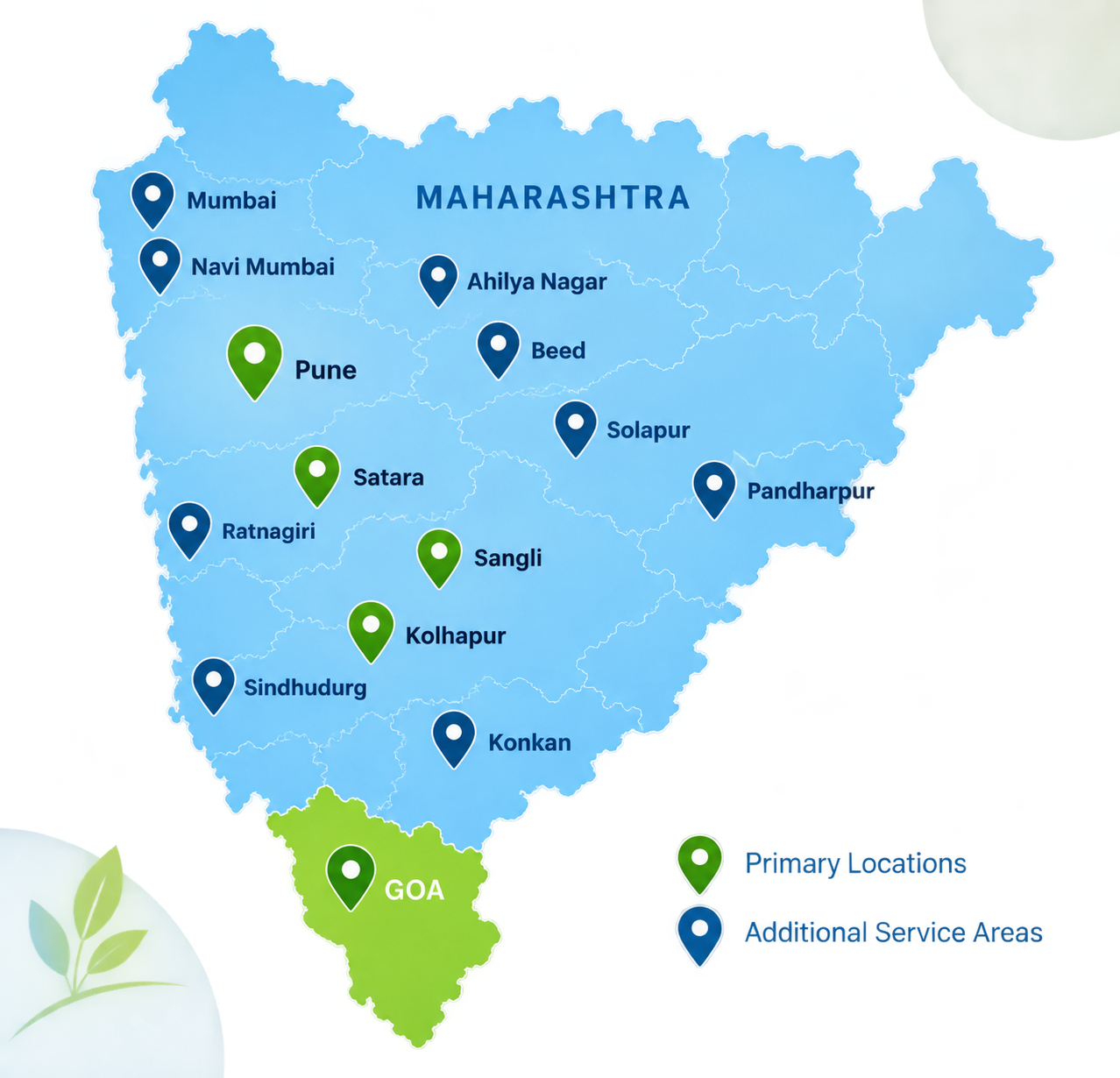
Shri Samarth Wellness & Fitness Centre's intended target areas include Pune, Kolhapur, Sangli and Satara, with Goa also among the target locations.
This page is designed for parents and caregivers seeking general information about children's nutrition, hydration, activity, sleep and everyday wellness habits.
Additional target areas include Mumbai, Navi Mumbai, Solapur, Ratnagiri, Pandharpur, Beed, Ahilya Nagar, Sindhudurg and the Konkan region.
Please contact the centre to confirm whether Children's Health Support is currently available, whether it provides child-specific consultations and what qualifications apply to the professionals delivering the service. These location references do not confirm a physical branch or service availability in every area.
Healthy habits are easier to maintain when they fit naturally into family life. Parents do not need to create a perfect schedule or change every habit at once. Consistent, realistic routines can help children develop a positive relationship with food, movement, rest and personal care.
At Shri Samarth Wellness & Fitness Centre, the focus of this service page is general wellness awareness and practical nutrition education. Any child-specific service, consultation or programme should be confirmed directly with the centre.
Regular opportunities to eat can help families organise busy school and work schedules. Depending on the child's age, appetite and needs, a daily routine may include breakfast, lunch, dinner and suitable snacks.
Practical ideas include:
Children's appetites can vary from day to day. If you are concerned that your child is consistently eating too little, struggling to swallow or experiencing persistent feeding difficulties, seek professional advice.
Children can develop useful food skills when they participate in age-appropriate activities.
You might invite a child to wash vegetables, choose a fruit at the market, help prepare a simple meal or select between two suitable snack options.
These activities can encourage curiosity and familiarity with different foods. Younger children should be supervised around knives, hot surfaces and other kitchen hazards.
Family meals can provide opportunities for conversation and shared routines. Whenever practical, try to make mealtimes calm and supportive.
Avoid using food as punishment or making a child's body size the focus of family conversations. Encourage habits that support health, confidence and enjoyment rather than creating shame or fear around eating.
Children may be more interested in movement when activities are enjoyable rather than treated as a chore.
Families can make time for walks, outdoor play, dancing, recreational sports or other activities suitable for the child's age and abilities. Choose safe environments and adapt activities to any medical or physical limitations.
A predictable evening routine can help children prepare for rest. Consider reducing stimulating activities before bedtime and creating a comfortable sleeping environment.
If a child regularly struggles to sleep, snores heavily or appears unusually sleepy during the day, consult a qualified healthcare professional rather than assuming the problem is simply poor routine.
Children's nutrition needs change as they grow. A nutrition approach that may be suitable for a teenager may not be appropriate for an infant, toddler or younger school-aged child.
Before selecting a nutrition programme, supplement or dietary change, consider the child's age, growth, eating habits, medical history and developmental needs.
Infants have specific feeding requirements. Decisions about breastfeeding, formula feeding, introducing complementary foods and managing feeding difficulties should follow current paediatric guidance.
Parents should seek qualified advice if an infant has difficulty feeding, shows signs of dehydration or is not growing as expected.
Young children benefit from age-appropriate meals, varied foods and supportive opportunities to explore different tastes and textures.
For school-aged children, families can plan suitable breakfasts, lunches and snacks around school schedules, activity and individual preferences.
Food allergies, intolerances, sensory difficulties and medical conditions may require more specialised advice.
Adolescence involves substantial physical and developmental changes. Teenagers need adequate nutrition and rest to support normal growth and daily activity.
Avoid encouraging restrictive diets, unverified muscle-building supplements or rapid weight-loss approaches. If a teenager has concerns about weight, body image, fatigue or eating habits, approach the conversation sensitively and seek professional guidance when appropriate.
Not every child needs a supplement. Whether one is appropriate depends on the child's diet, health, age and any identified nutritional need.
Excessive amounts of certain vitamins and minerals can be harmful. Protein supplements and products marketed for growth or performance should not be given routinely without advice from a qualified healthcare professional.
Important: Do not use adult weight-loss, weight-gain or fitness supplements for children unless a qualified healthcare professional has specifically assessed the product and advised its use.
Not every child has the same relationship with food. Some children enjoy a wide variety of meals, while others prefer familiar foods or find certain textures difficult. Some may have allergies, digestive concerns or medical conditions that affect what they can eat.
A supportive approach begins by understanding the individual child rather than comparing them with siblings, classmates or children of the same age.
Children may need repeated opportunities to become comfortable with unfamiliar foods. Parents can offer small amounts of a new food alongside familiar choices without forcing the child to eat it.
If food avoidance is severe, affects growth or is accompanied by distress, swallowing difficulties or nutritional concerns, consult a paediatrician or qualified feeding specialist.
Children with diagnosed food allergies need appropriate avoidance strategies and a clear plan for managing accidental exposure. Families should also inform schools and other caregivers about relevant allergies.
When foods are excluded from a child's diet, it is important to consider suitable nutritional alternatives. A qualified healthcare professional or registered dietitian can help families manage complex dietary requirements.
Children grow at different rates. A child's weight should not be assessed using adult standards alone. Healthcare professionals may consider age-appropriate growth charts, growth patterns, development and medical history when assessing concerns.
Avoid placing a child on a restrictive diet without professional guidance. If you notice a persistent change in appetite, growth or weight, seek a medical assessment.
Families often look for straightforward information to help them make sense of children's nutrition and everyday wellness. Understanding what is appropriate for a child's age, recognising when professional advice is needed and avoiding unsupported health claims are important parts of responsible wellness education.
Shri Samarth Wellness & Fitness Centre provides a broader wellness context for exploring nutrition and healthy lifestyle topics.
Learn about food variety, meal planning, hydration and age-appropriate eating habits.
Explore ways to fit balanced meals, active play and sufficient sleep into busy schedules.
Recognise that children differ in age, growth, preferences, allergies and health requirements.
Explore related topics such as nutrition and diet management.
Understand when general information is not enough and a paediatrician or other qualified professional should be consulted.
Our primary service areas include Pune, Kolhapur, Sangli, Satara and Goa. Availability in other locations should be confirmed directly with our team.
Before booking, confirm whether the centre currently offers child-specific consultations, the qualifications of the professionals involved and the exact services available. This page does not claim that the centre provides paediatric diagnosis, medical treatment or specialised child nutrition services unless these are independently confirmed.
Shri Samarth Wellness & Fitness Centre's intended target areas include Pune, Kolhapur, Sangli and Satara, with Goa also among its target locations.
Families in these areas may be interested in learning more about balanced nutrition, healthy eating routines, children's hydration, physical activity and sleep.
Additional target areas include Mumbai, Navi Mumbai, Solapur, Ratnagiri, Pandharpur, Beed, Ahilya Nagar, Sindhudurg and the Konkan region.
Contact the centre to confirm current service availability, appointment arrangements and whether its services are appropriate for your child's needs. These location references do not confirm physical branches or child-specific services in every area.
Contact Us For More Enquiries
Children's Health Support refers broadly to information and guidance about nutrition, sleep, activity and everyday wellness during childhood. Specific medical or nutritional concerns should be assessed by an appropriately qualified healthcare professional.
Offer different vegetables regularly, serve them alongside familiar foods and allow children to explore different preparations. Avoid forcing children to eat or using food as punishment. Persistent feeding difficulties may require professional advice.
Protein shakes are not automatically necessary or appropriate for children. Their suitability depends on age, nutritional needs, ingredients and health circumstances. Ask a qualified healthcare professional before introducing a protein supplement.
Maintain a consistent bedtime routine, provide a comfortable sleeping environment and establish age-appropriate screen habits. Persistent sleep difficulties, heavy snoring or breathing problems during sleep should be discussed with a healthcare professional.
Children should not be placed on restrictive weight-loss diets without professional guidance. Concerns about growth or weight should be assessed using age-appropriate clinical measures by a qualified healthcare professional.
The exact scope of the centre's Children's Health Support service should be confirmed directly. Ask whether child-specific consultations are available and what qualifications apply to the professionals providing them.
A balanced eating pattern generally includes a variety of age-appropriate foods, such as vegetables, fruits, grains, protein sources and suitable sources of fats. Exact requirements depend on age, development, medical history and individual needs.
No. Supplement needs depend on the child's diet, health and any identified deficiency or clinical recommendation. Consult a qualified healthcare professional before giving supplements, especially at high doses.
Requirements depend on age and development. Public health guidance generally recommends that school-aged children and adolescents average at least 60 minutes of moderate-to-vigorous physical activity daily across the week. Activities should be enjoyable, safe and appropriate for the child.
Offer suitable food variety without pressure and maintain calm, predictable meal opportunities. If food avoidance affects growth, causes significant distress or limits the child's diet substantially, seek professional assessment.
Seek advice about persistent feeding problems, unexplained weight changes, concerns about growth, suspected allergies, ongoing digestive symptoms or unusual fatigue. Urgent symptoms require prompt medical attention.
Visit the Contact Us page to ask about current services and availability. The centre's intended target areas include Pune, Kolhapur, Sangli, Satara and Goa, among other locations.
This page is intended for general educational purposes. It is not a substitute for paediatric assessment, medical diagnosis, treatment or personalised dietary advice.
Children's nutritional needs change with age and development. Information suitable for one child may not be suitable for another. Do not start restrictive diets, high-dose supplements or weight-management programmes for a child without appropriate professional guidance.
If your child has a medical condition, food allergy, feeding difficulty, growth concern or prescribed dietary restriction, consult a qualified healthcare professional. Seek urgent medical care for severe allergic reactions, difficulty breathing, loss of consciousness or other serious symptoms.